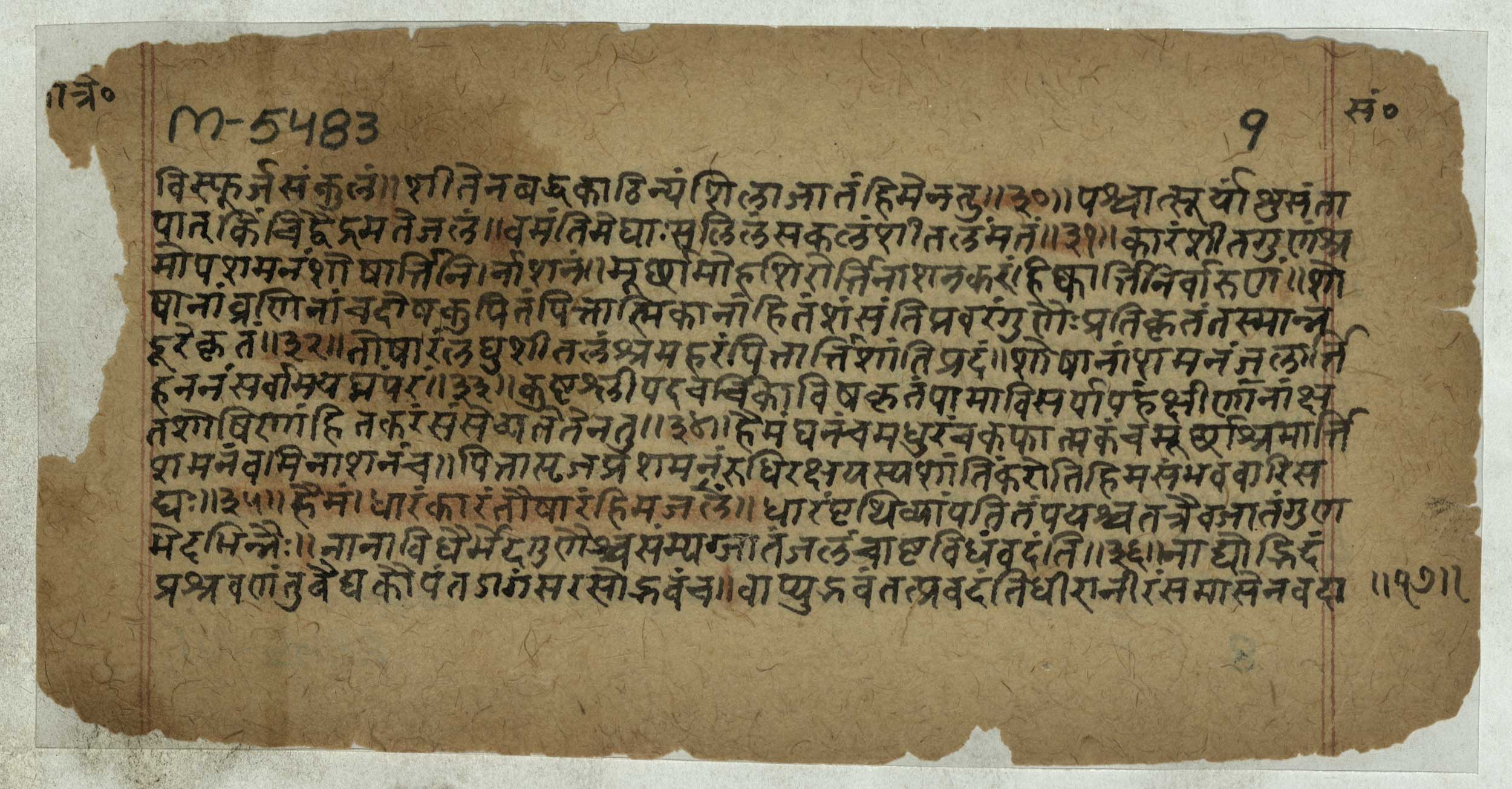
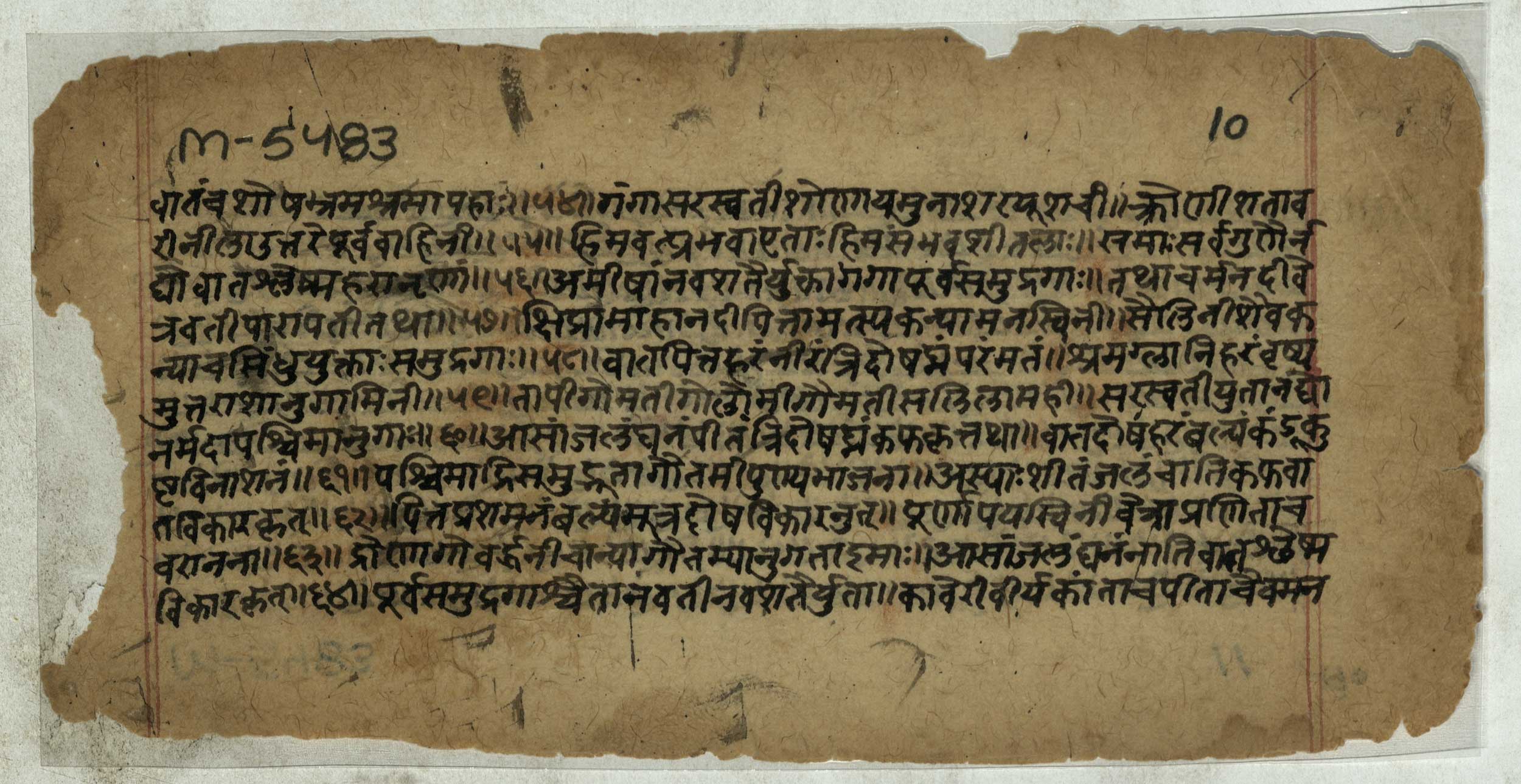
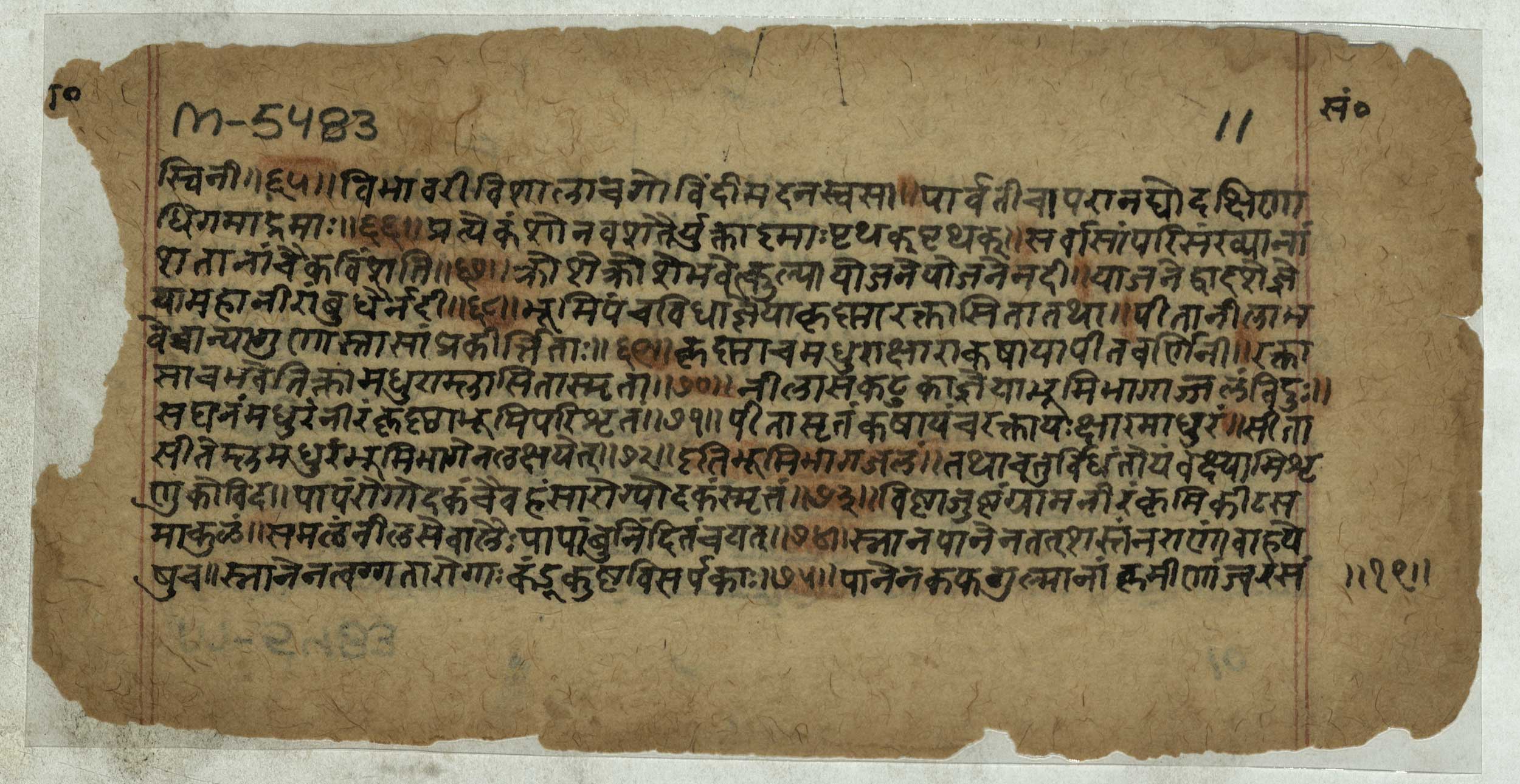
Translation
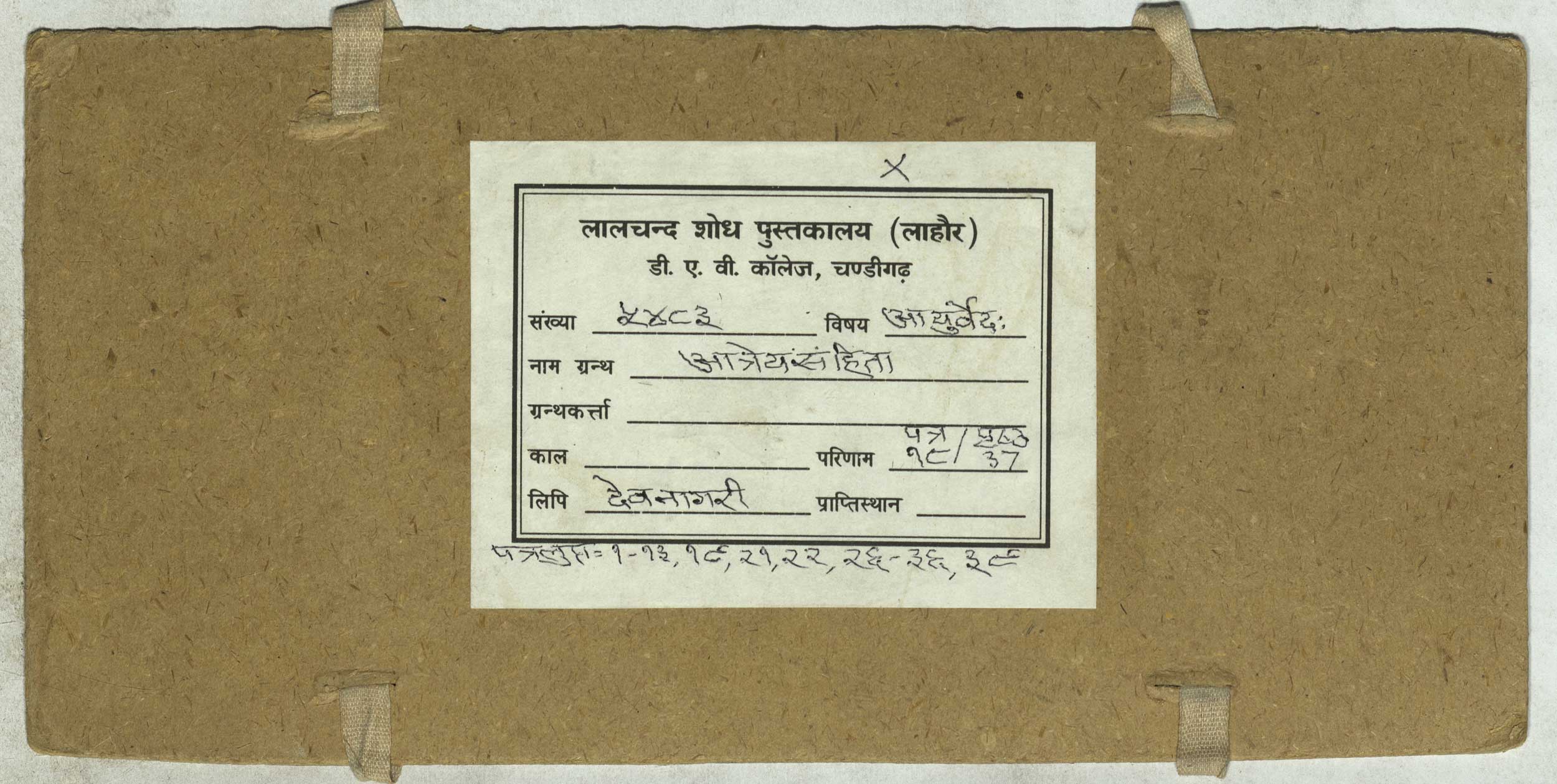
AN ANCIENT TEXT ON AYURVEDA
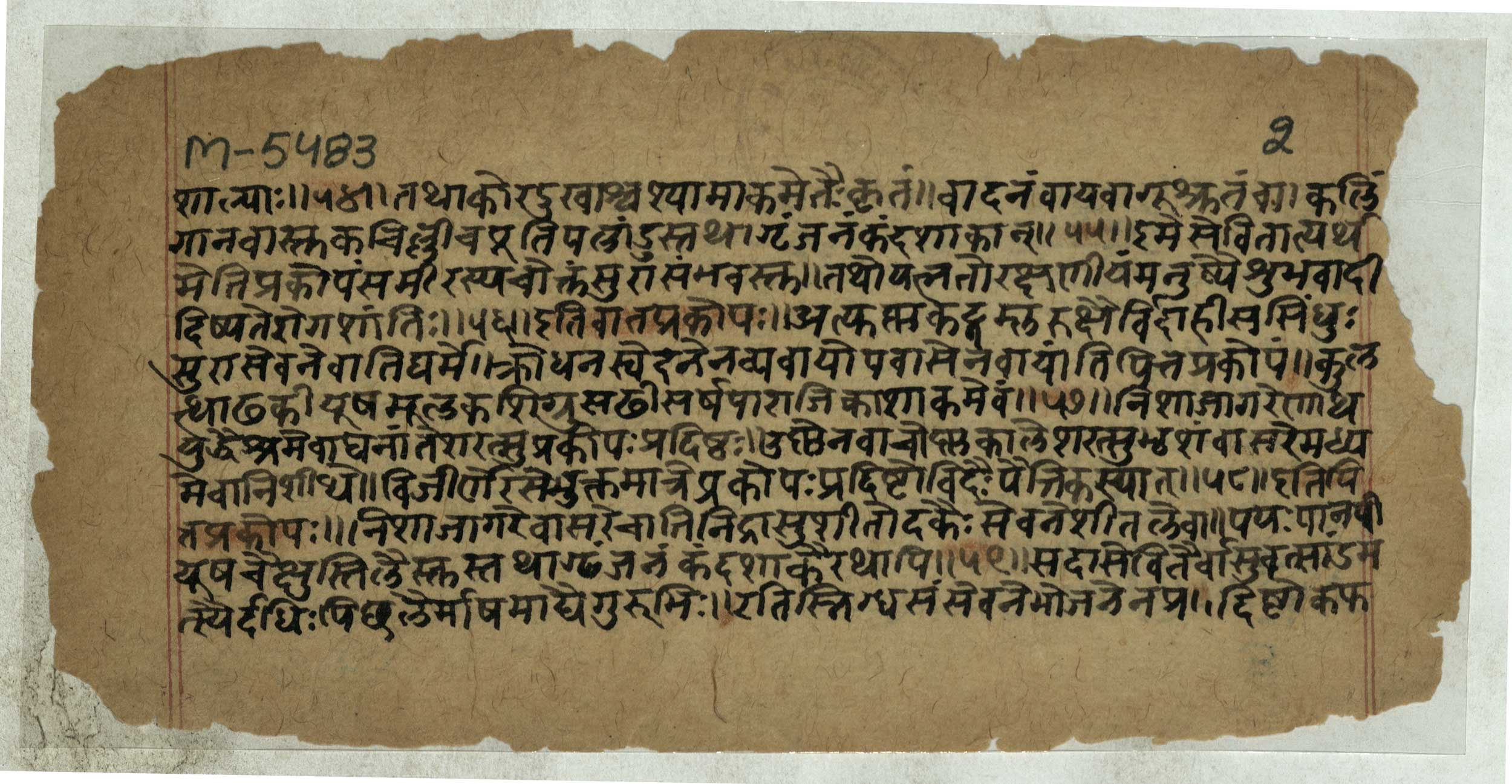
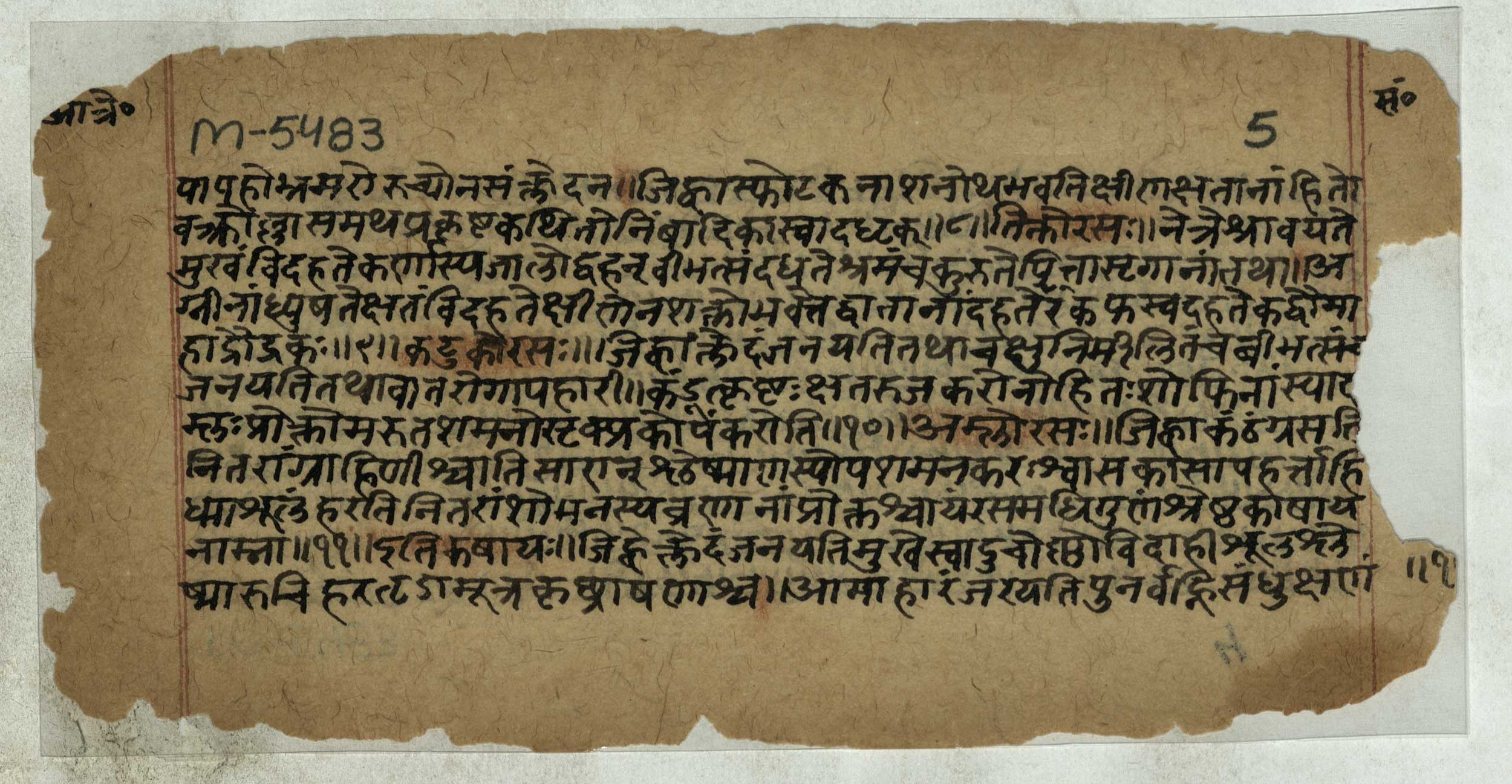
There are some vegetables & other eatables like Puti (a kind of creeper), Palandu (Onions), Grinjanam (Carrots) & Kandashaka, leafs of some roots which help very much in producing gas inside the body that too becomes more painful if taken along with liquor. Those human beings desirous of their welfare & want to be free from all sort of diseases must get rid of these (55 & 56). (Here ends the chapter of Vataprakopa). Too much warm food (Ushna), hot food (Katu), too much sour, dry food, liquor with rock-salt, too much of sun-shine, sweating due to anger, intercourse & too much fasting create pitta. These are the reasons of enhancement of pitta. Apart from this, the kuluttha dal, juice of arhad dal, rabbit (Mulaka), Drum-stick, white or black mustards & different curries also help developing pitta (57). There are also some other reasons behind the enhancement of pitta. These are: awakening overnight, involvement in warfare, too much of hard work, during autumn at the end of rainy season, at hit talk, during summer, winter, midnight or midday & old-stock food. This has been stated by the experts (58) (Here ends the chapter of pittaprakopa). Awakening at midnight, too much sleep during day time, drinking too much cold water, wandering in winter, taking the milk of a cow within a week of her delivery, sugarcane juice, Til, Carrot Juice, Roots (Kanda) along with the leafs of roots, Egg, fish along with their eggs, old stock curd or black gram in a more quantity & ghee or oil directly with food cause kapha (59 & 60).*The text has some missing portions and it clearly starts from the karika No. 55 (of Doṣaprakopa, the 5th Chapter)
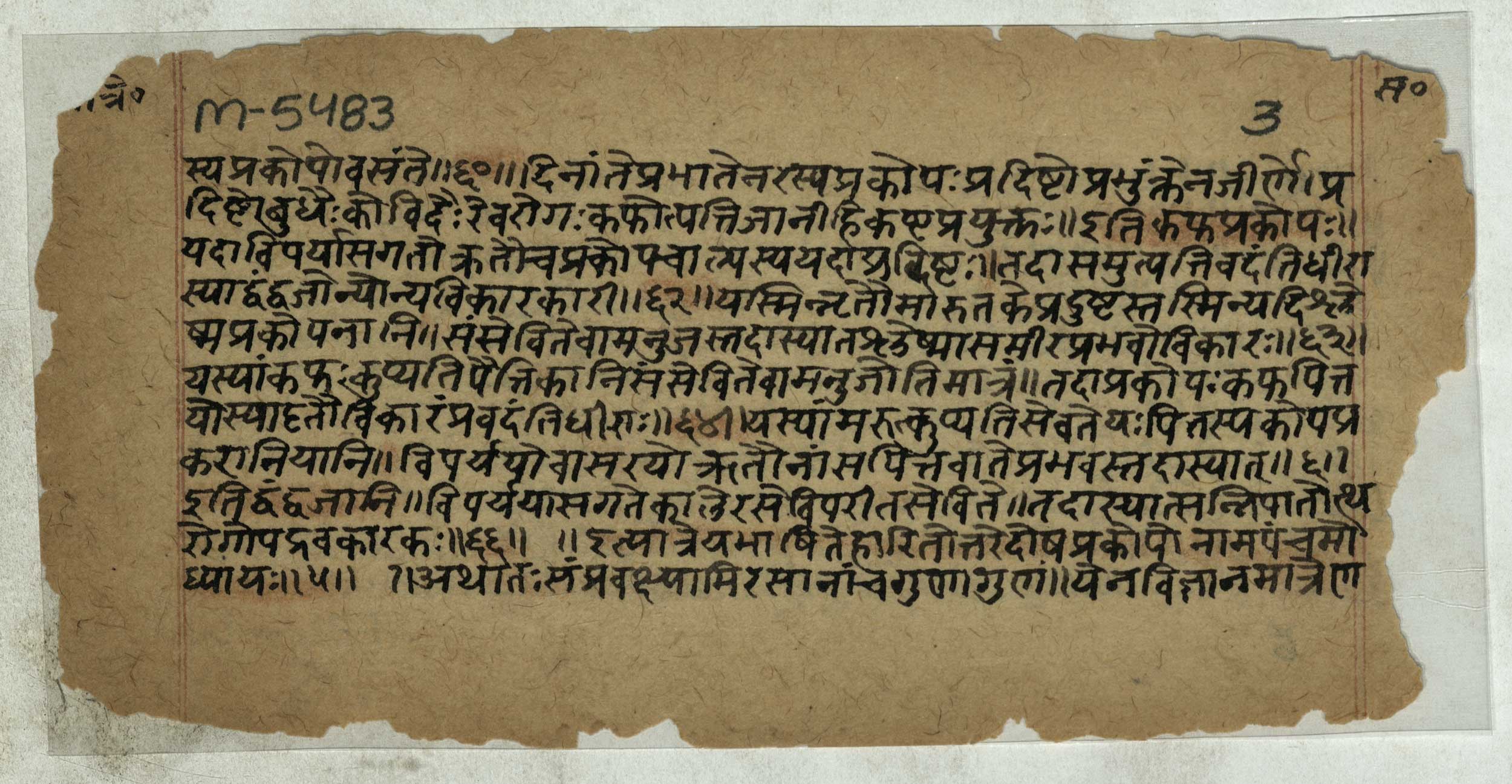
The one who eats at the time of morning & evening develops kapha. First of all, he finds it very difficult to digest the food. It creates a very difficult situation for him that is what stated by the experts (Iti kaphaprakopah). When there is an intermixture or change of seasons like rains during summer or hotness during rainy seasons then the pain doubles. It creates a lot of trouble for the person victimised (61 & 62). In a season when the air becomes polluted then the risk of developing cough is more. Consuming/inhaling of such air is more dangerous during this time. It creates several risk factors (63). At a time when a person is caught hold of cough, if he takes a bit of medicines related to pitta then the problem becomes more acute and because of seasonal change develops there a more complications of pitta & kapha both. It is as told by the experts (64). Those who suffer from the problem of gas & pitta then both of these help the growth of one another. At the time of change or in opposite seasons both the problems, Pitta & Vata grow simultaneously (65). This is called a Dvandvaja Roga. At the expiry of a particular time if you take the medicine/juice/eatables then it creates complicacies like sannipata by developing all the three dosas. The person does not remain under his own control in this situation (66).(Thus, ends here Doṣaprakopa- the 5th chapter of Hāritottara Part of Ātreya Saṃhitā stated by Ātreya.)
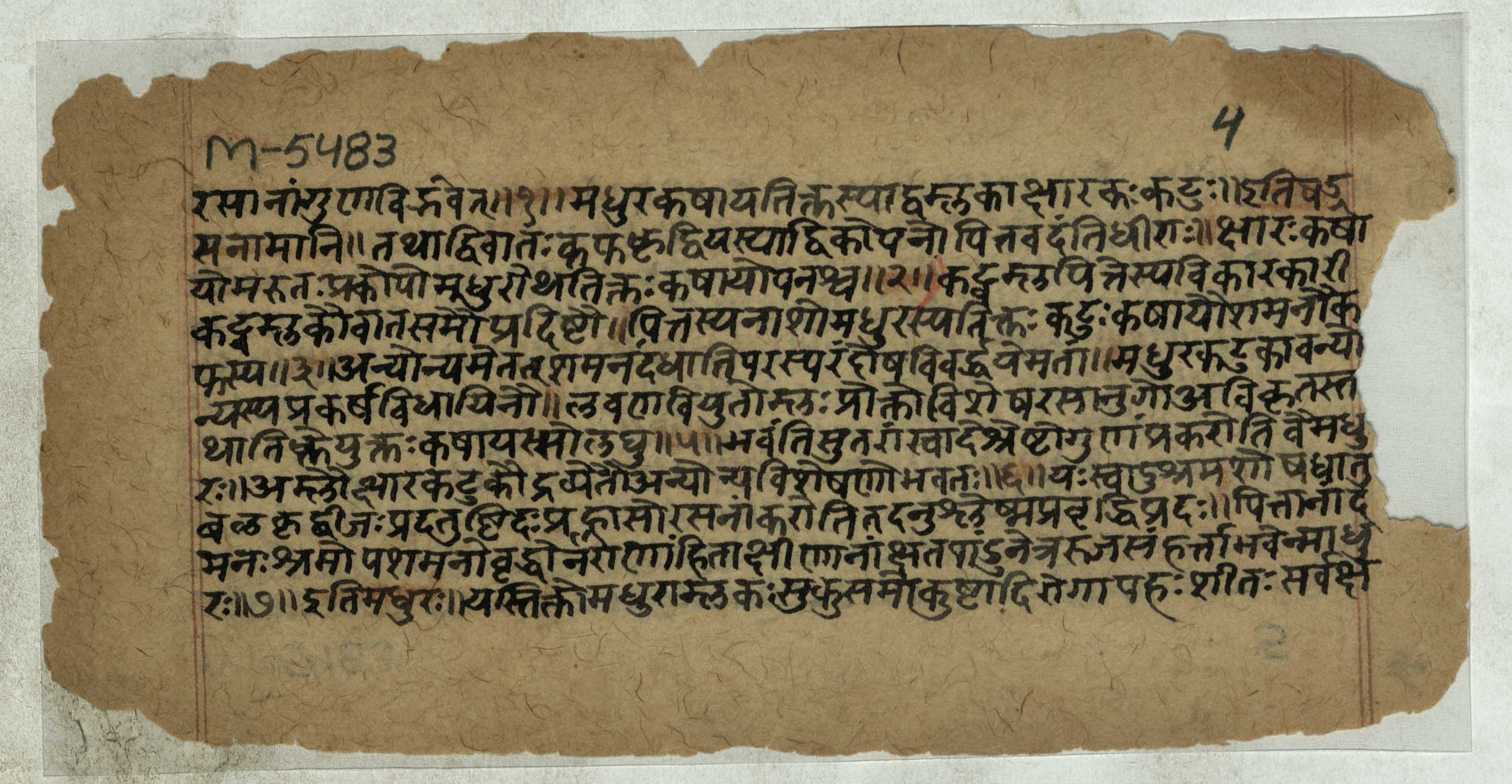
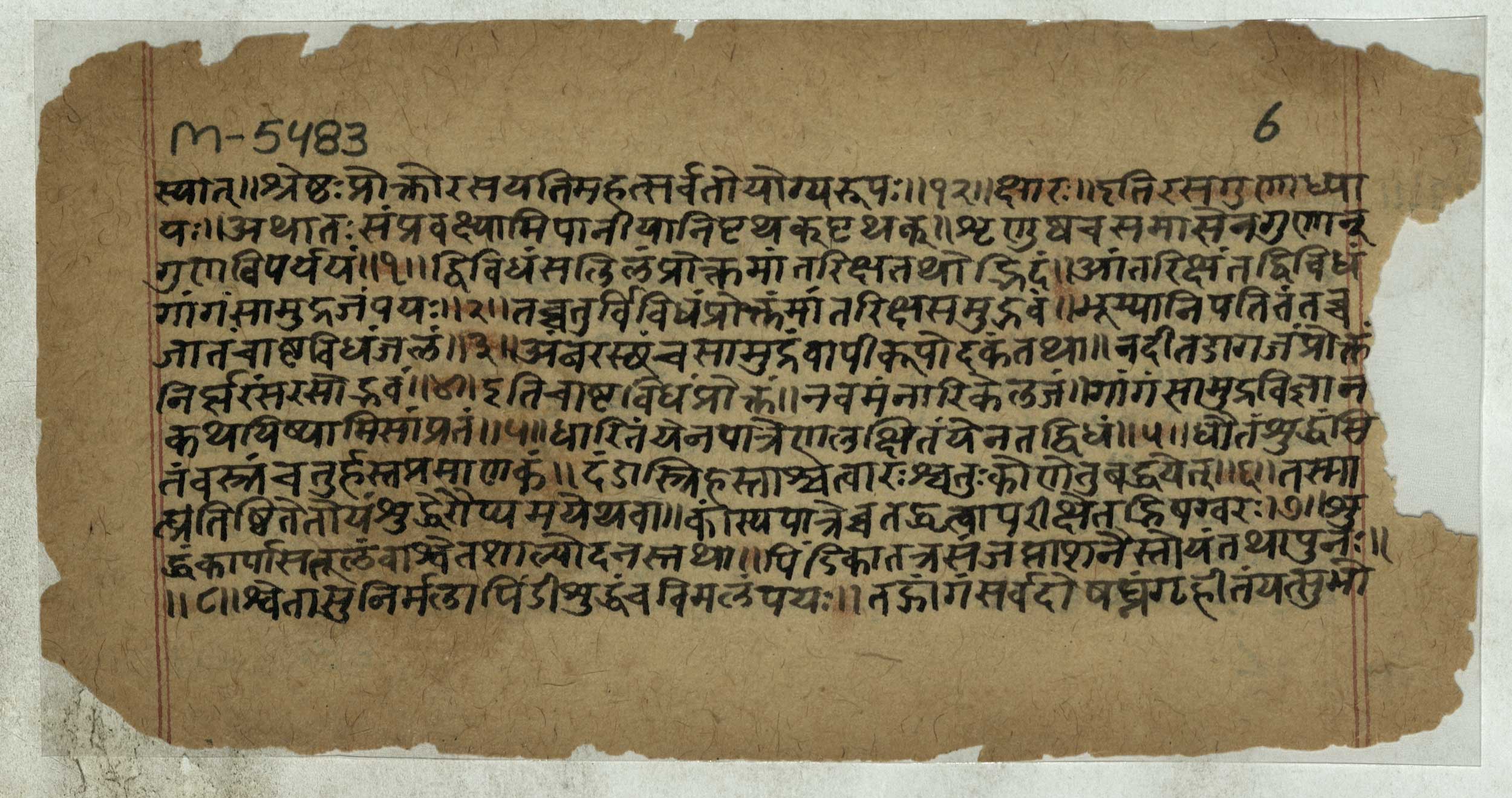
Henceforth, I will speak on the good & bad side of the Rasa by knowing which one can become a master of Rasa & it helps him yielding better result (1). Madhura (Sweet), Kashaya (Astringent), Tikta (bitter), Amla (Sour), Ksharaka (Brine) & Katu (Hot/ Pungent) are the names of six Rasas. It is stated by the learned that because of Vata & Kapha together the influence of Pitta becomes more. Brine & astringent together develop gas but pacified with sweet, bitter & astringent (2). Pungent & sour are problematic for pitta whereas Pungent & Brine destroy the kapha (3). All these, among themselves pacify the problem & also develop difficulties of one another. Sour without salt is considered as harmless (4). Sweet is very tasty & also helps to develop quality in others. The Sour, brine & pungent are beneficiary for each other (5&6). Those things are tasty and also are remover of fatigue & tiredness. They also develop semen, energy & nourishment to body. It gives satisfaction to heart & tongue but later on creates cough. Sweet also satisfies the mind of those suffering from the problem of pitta; removes tiredness. It is beneficiary for old. It cures wounds of weaker people. It removes yellowness & other diseases in eyes (7). This is all about Sweet.
The flowers having the flavour of bitter (neem flower) or sweet (pumpkin flower) or sour (Cashew flower) may help removing leprosy. They keep the body cool. They have the resistant power against any kind of diseases. It helps in epilepsy & anorexia. The bitter tasted things like neem helps to cure the wounds in mouth & other minor wounds. Bitter may be bit difficult in taste but very good for health (8). This is about bitter. Hot or pungent is very painful. Those suffering from gas or pitta become restless due to this. The tears come out from both the eyes. Face starts burning. There is a burning sensation in the ears. There appear changes in the face with restlessness. There comes tiredness and situation where he does not remain in a stage for not being able to do anything (9). This is what the Katukarasa is. Saliva starts coming from tongue and the eyes start closing. There is a vibhatsabhava on the face but it removes gas. It enhances itching sensation; creates scars and other diseases. It is not good for the persons suffering from swelling. It does a good thing that is satisfying gas but creates pain in the tongue (10). This is about Amlarasa. It catches tongue & throat easily. It cures indigestion & diarrhoea along with a clearance of cough. It is considered good for Asthma patients. Those who have a vomiting can get a good result out of this. It also cures wounds. Thus, this rasa is considered as best & very much beneficiary for many diseases (11). This about Kasaya.
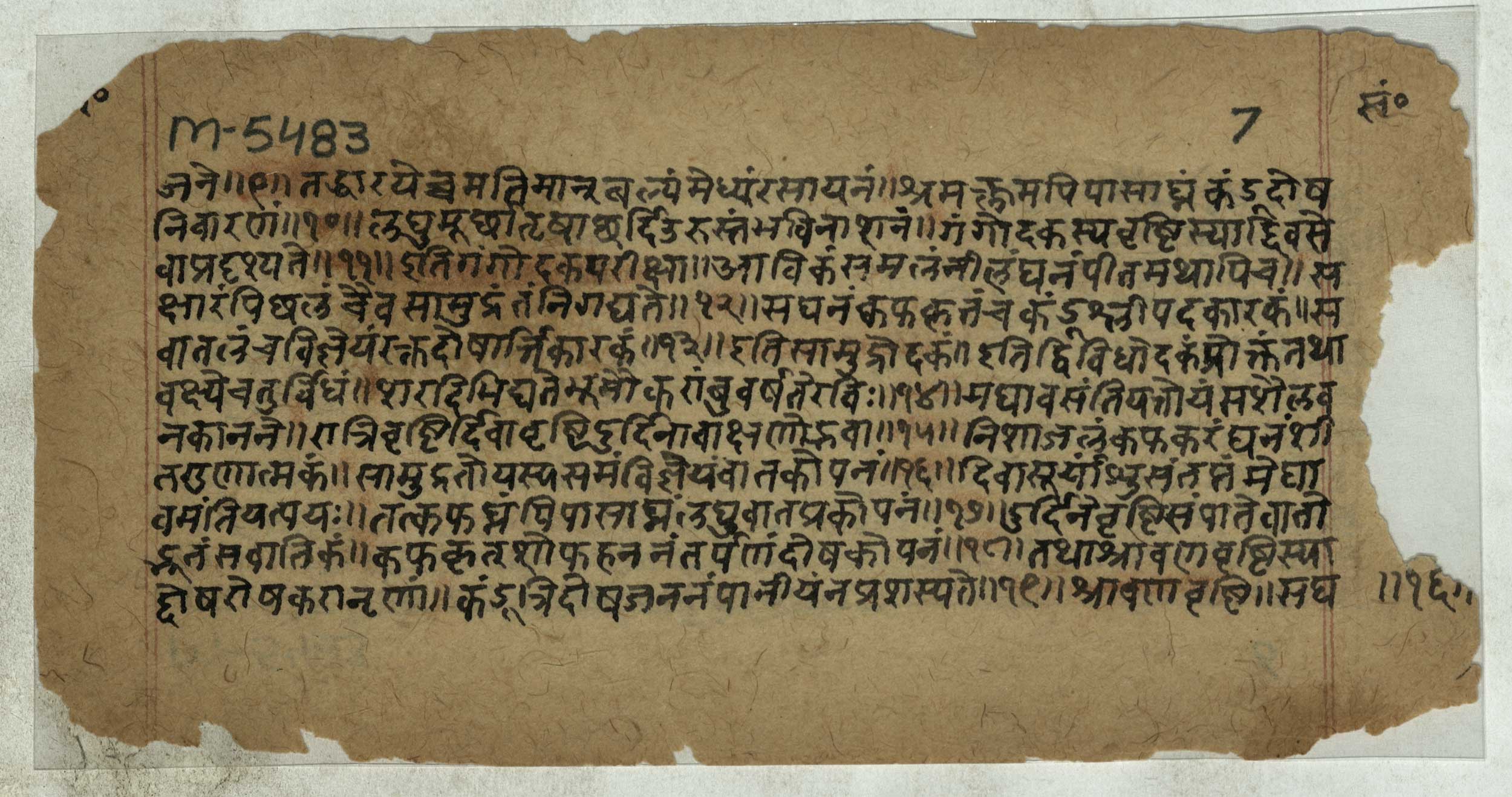
It makes the tongue watery and a taste in mouth. It removes hotness (in body) along with pain & burning sensation. The state of loss of taste is easily curable through this. It is good for those who have Arthritis problem. This is all about Kshara. This Rasa is also very good & beneficiary (12). This is all about the Rasas & their qualities. Now, I will separately speak of the drinkables (Paniyam). Please listen their good & bad qualities as stated here in brief. The water basically of two types: 1) The one which comes from sky & 2) one is ground water. The water from sky is again of two types: 1) Related to Ganga (Madhura) & Related to Ocean (Lavanakta). These two types again become 4 types. (1) Water in the sky (2) Water in the Ocean (3) Water in the ponds (4) water in the well. The water from the sources of River, Ponds, Streams, Lakes are normally considered as sweet waters. Thus, we consider 8 types of waters. The ninth type of water is from coconut. Now, I will elaborate the water related to Ganga & water related to the Ocean. These are of two types. This is in relation to its container. The water in coconut is always clean but the water from others are to be made clean. To clean the water, one must take 4 sticks of 3 hands (as a measurement) each. Then there must be a white, clean, purified & washed cloth of 4X4 hand. The water must be cleaned with that. To taste the purification you have to put rounded cleaned cotton or rounded pieces of rice balls in it if it comes out clean then the water is clean. Such water is drinkable (1-8).
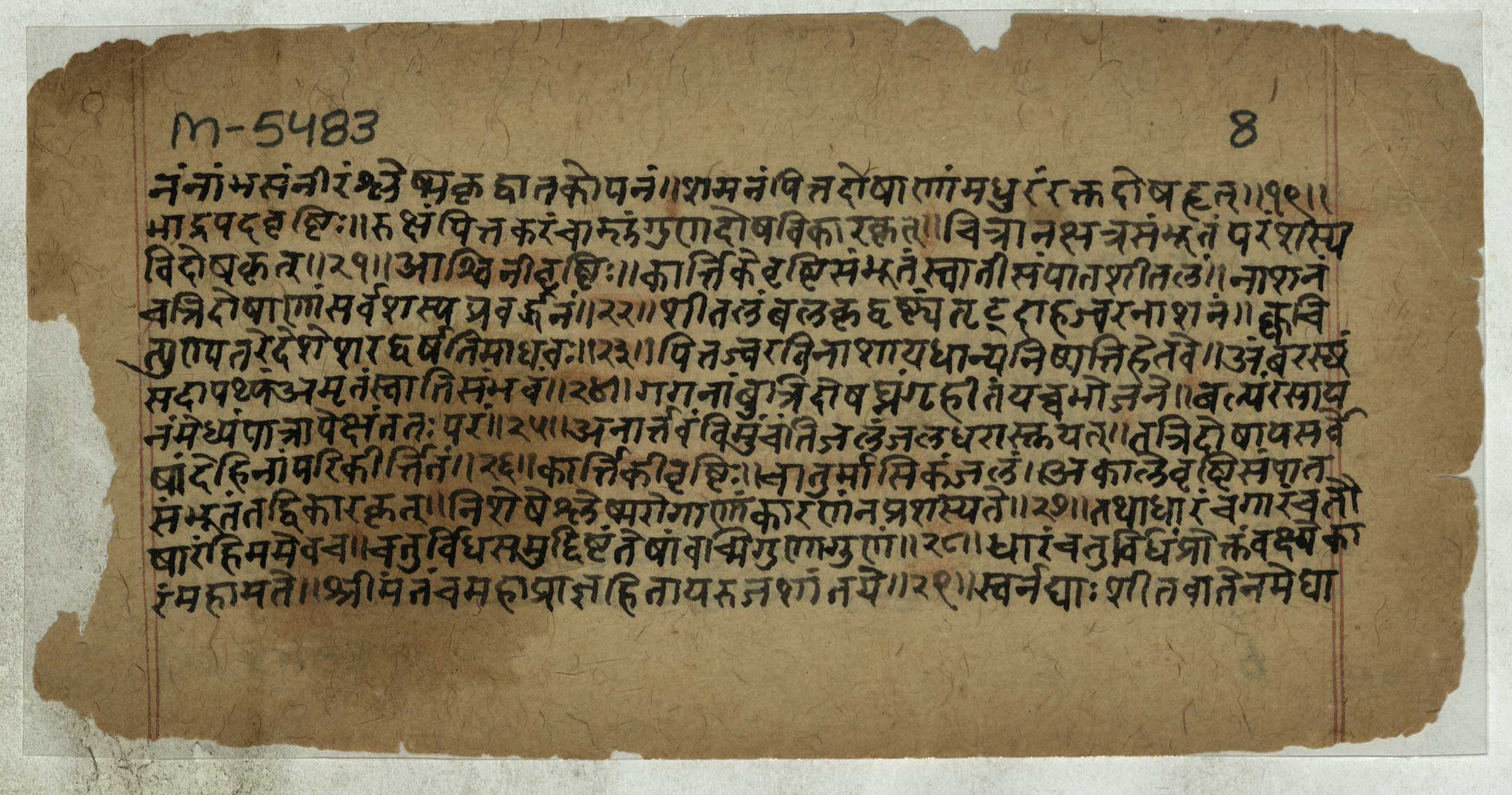
Such water must be taken along with the food. It removes all sort of defects also. An intelligent person should take such purified water that is really drinkable & it is for the sake of strength. This good quality water removes fatigue, thirst & also itching sensation (9-10). It is also well in removing epilepsy, vomiting & stiffness in thighs. Normally, the rain water related to Ganga (Madhurajalam) falls during day time (11). Here ends the examination of Ganga water. The rain water that is bit bluish or slightly yellowish, brine, smeary or slippery is known as the water from ocean (12). This water creates several problems like cough, itching sensation prone to Elephantiasis. It also creates Vayudosha & create defect in blood (13). This is all about the ocean water. This way we have talked about two types of water. Now, this way I will speak of four types of water: A kind of rain water that comes down during autumn mainly falls heavily on the mountains & forests & also the water that falls on heavily with hailstones (14). The rain water that falls on gardens & mountains in the nakshatra of Magha & the other rain water which continues day & night without stop & creates all sort of hurdles in communications (15). The rain water during night is cold, heavy & cough-producing. This water is like that of ocean water which creates the influence of vayu (16). The rain water that falls down after getting warm due to sunshine during day time is considered as cough remover & thirst quencher but slightly of gas-producing nature (17). The rain which comes out unreasonably out of season is called ‘Vatika’ and it is the destroyer of the swelling due to coldness. But it is not worthy of tarpana (offering to forefathers) (18). The rain water during Sravana is considered as defective & reason of enhancing anger. It is one of reasons of itching & developer of tridosha ( vata, pitta & kapha)also. Therefore, this is not good to drink (19).
Rain in Shravana: It is very thick but with less water content; creates sputum & gas problem but pacifies pitta content; bit sweet & also removes defects in blood (20) (*The karika is wrongly numbered as 19 but, from next karika numbering has been done by the scribe rightly). Bhadrapada Vristi (Rain in the month of Bhadrapada). The rain during this time is the enhancer of dryness, pitta-developing & also of the nature of developing acidity. If the rain is in relation to the nakshatra of Chitra then it creates various defects in the crops (shasyas) (21). Ashvinivristi (Rain in the month of Ashvina). The rain in the month of Kartika that to linked with the nakshatra of Svati is always a cool and a good sign of removing all the three doshas (vata, pitta & kapha) and a factor/reason of growth for all kinds of crops (22). This rain is the cold-remover, energiser, soothing factor for burning sensation & eradicates different fevers. O’ Madhava, it is only in some sacred land such rain comes (23). It is for the sake of removing pittajvara & as a nourishment of paddy cultivation the rain that comes in Svati (nakshatra) is always an auspicious sign & considered as the nectar like thing apart from being a pathya for patients (24). The Ariel water that is worth-taking with day today meal is a tridoshanashaka (remover of all the three doshas) (25). The kind of water the clouds rain very spontaneously or easily being collected in proper vessels become, healthy, drinkable, remover of pain & of tasty in nature (26). This is about the rain in the month of Kartika. Completed about the water of Chaturmasiki. Untimely rain creates various types of changes. It is the reason of sputum and therefore not considered as good (27). The four types of rain stated here are: Dhara, Gara, Taushara & Hima. I will speak of their pros & cons now (28). The Dhara is of 4 types. Let me explain the same. It is considered as helping factor for the glow on body & good for the pacification of all sorts of diseases (29).
The water in the rivers, thundering of clouds, cool breeze & icing/snowing at some places are the characteristics of the first one (30). Later on with the heat of Sun the same ice water after evaporation process comes down on earth through the heavy rain fall of clouds. This time it is cool in temperature (31). The cool rain water is qualitative, remover of fatigue, best soother for dryness, remover of epilepsy, headache & controller of hiccough. In addition, it, because of its excellent qualities, helps drying wounds & pitta related problems. Therefore, it is always better to enjoy this rain very closely (32). The Tushar type rain is light, cool, remover of tiredness, a good pacifier of pitta troubles. Not only that It is also the perfect remover of dryness, destroyer of the troubles that comes due to water related diseases and also in a way a perfect destroyer of all sort of diseases (33). To name a few important, the diseases like leprosy, Filariasis, Churchika (Eczematous Dermatitis), Scabies, Visarpan (an infectious skin disease) & scars are also cured with the help of this water (34). Coldest & heavy, tasty but cough producing, remover of epilepsy, remover of tiredness & pacifier of vomiting. The frosted water removes pitta & a good protector of the loss of blood (35). This is all about Dhara, Kara(Gara), Taushara & Haima.*There is problem in numbering here.
The water when comes down to earth, because of its contact with it, changes its quality. On the basis of that it has been decided into 8 types (36). The river water, ground water, aerial water, well water, pond water, lake water etc. are the examples of these types. This water invariably remove various defects, thirst, illusion & tiredness. That is what has been stated by the exponents (37/54) (*suddenly the numbering in the text changes from here. However, the text does not indicate any missing portions). Now starts regarding the rivers: Ganga, Sarasvati, Shona, Yamuna, Sarayu, Sachi are the rivers in the North direction but flowing towards East (55). Three more are: Kroni, Shatavari & Nila. These rivers flowing from the Himalayas are very cold like ice. All these are having different qualities including eradication of gas & sputum problems (56). Thus, along with Ganga 109 rivers fall on the East Coast/Bay of Bengal. To name a few more important rivers include: Charma, Vetravati, Parapati, Kshipra, Mahanadi, Pitta, Matsyakanya, Manasvini, Sailini, Shaivakanya(Narmada) & Sindhu (57 & 58)The water of these rivers are good for health & of the nature of remover of tridosha. The kind of tiredness/ fatigue & weakness that come after rainy season are removed with this (59). The rivers, namely, Tapi, Gomati, Gaulomi, Gaumati, Salila, Mahi, Sarasvati, and Narmada fall on the Western sea (60). The water of these rivers is heavy, yellow and remover of the three kinds of faults developed due to cough. It removes gas, itching sensation, leprosy. Apart from this, it is one of the energisers (61). The sacred river Gautami is sprung from the Western Ghat. The water of it is very cold & remover of diabetic problems but creates cough & gas (62). However, Purna, Payasvini, Vetra, Pranita, Drona, Govardhini are the sub-rivers of Gautami but their water is bit different. It is heavy but does not create much cough and gas (63-64).
This way the total no. of rivers who fall in the Eastern Sea comes to 189 including some more prominent like Kaveri, Viryakanta, Pita & Manasvini(65). Some more are: Vibhavari, Vishala, Govindi, Madanasvasha & Parvati. There are 121 rivers who fall in the sea flowing towards south facing (66). These are 109 & along with other small 121 in total (67). As per rule, there must be a drainage system/canal at one Kosa(1.75 mile) & a river at every one Yojana (nine miles approximate).Further, it is stated that there must a big river at every 12 Yojanas(68). Now, there is a discussion on the different types of soil: The soil is of 5 types: Kridapta(Black), Rakta(Red), Sita(Whitish), Pita(Yellow) & Nila(Bluish). They have their qualities (69). The taste of the ground water of this soil also varies accordingly. The black soil is thick but of sweet taste, Pita is of brine, Red is of sweet & astringent, Whitish is of sour and Bluish is of bitter taste (70-72). This is regarding the ground water. Now I will speak of 4 types of water in general. They are: Papa, Roga, Hansa & Arogya(73). The kind of water that flows from villages through drainage system that is very much polluted with human excreta etc. & very much blamed is called Papa(74).This type water link is very bad for human beings & animals like horse. Any link of such water creates skin disease, itching, leprosy & growth of filarial diseases (75). Any such water contaminated with drinking water will generate several problems like pain in stomach, fever etc. It creates different types of diseases. So, we must always be away from this type of water (76). This is regarding Pāpodaka(Water of Pāpa).
The water that lies in well or ponds being covered with trees, creepers etc. and with green-moss & insects is called a Rogajala. It is sometimes black in colour, watery, sticky, surrounded with the roots of trees. Because of the contact with the leaves of the trees for a long time the smell of such water is like urine. Such water is called Rogodaka & that is the source of different diseases. Drinking of such water will create pain & itching sensation. Such water, in contact with excreta, urine and grass look bluish-yellow & is very much contaminated with various bacteria. It is of foaming nature and creates a sensation at the touch of teeth. Sunshine does not reach out to such water & it is stinking by nature. Such water is always avoidable & very bad for drinking. This is regarding Rogodaka (77-80). The water that is exposed to sunshine & gets warm in day time & becomes cool with moonlight in night time is called Hansodaka. It is for the prevention of all sort of diseases. It positively removes cough, cold, obesity & gas problems. It creates freshness in body & is of pure in nature. It enhances eyesight & removes all kinds of eye-related diseases (81-82). This is regarding Hansodaka. The one fourth remaining water after boiling is called Arogyajala. It removes cough & cold including gas. Being balm & quick-remover of fever it also removes stomach-ache. It helps in digestion of food & also good for continuous indigestion. It is good if it is taken in night in such a case of indigestion (83-85). This is regarding Arogyodaka.
However, in cases like drinking of liquor, the patient under the influence of pitta & madness, the cool water is very much beneficiary. But, that should be boiled & later on cold (86). During autumn & summer the water should be boiled in a way that one forth remains and in dew & spring the water should remain half after boiling (87). As against this, considering the seasonal factors, in the wake of rainy season, it should remain half after boiling. There should not be any foam remained after boiling & the water must be very clean. The water that remains half after boiling is called Usnodaka and one forth is called Vataghna and it is very much drinkable & helpful for health; particularly, in cough & cold, lightness & freshness of body. Simple rain water develops constipation & difficulty for digestion (88-90). Boiled & later made cold water is always good for health; removes all three types of defects including cough & cold. The water that is boiled in morning becomes heavy by night (91). This is regarding boiled water. After a hangover of liquor, during strong summer, in raktapitta problem, in Non-ulcer Dyspepsia and in dryness of blood vessels/veins hot water is never good and, in such cases, use of cold water is good. In Pleurisy, in acidity & gas problem, in compression of throat the same can be followed (92-93). In Flatulence, fresh fever, indigestion, agitation, Rhinitis, colic, eye problem & also in case of T.B cool water is always advisable (94-95). In case of bleeding of delivery patients & in indigestion it is also always advisable to have a filtered & boiled water taken slowly (96).
(The text somehow starts with a different number from here with an ending part of the karika no. 38. It seems some portion is missing. We can link with the text in page no. 9/10. It will be part of the fixation of text) (38/97). Use of curd during a year. Curd in autumn is not good. It helps to develop Amla & Raktapitta. It also helps developing pain, thirst & fever to a more complicated fever called Vishamajjvara (39/98). This is regarding the use of curd in autumn. However, in Dew (Shishira) season the curd is bit heavy, sticky (buttery), sweetish, energiser, very much eatable and satisfying but enhances cough (40/99). This is regarding the use of curd in Dew season. In winter it is cold, thick, sour but sweet and heavy. It gives satisfaction, develops strength & removes fatigue. It also removes pitta (41/100). It is about winter. It is always better to have curd in spring. It is sweetish, buttery, bit sour but tasty. It develops semen. It is very much praised. One must eat it during this time. (42/101). This is about spring. In summer the curd is bit sour & therefore creates a bit warmth in blood. It develops pitta. Curd is very much helpful for swelling, giddiness & thirst. However, one must be careful in summer (43/102). This is regarding the curd in summer. However, it is better if we can avoid curd in autumn, Summer & Spring. It is always advisable not to take curd in any time during night. It is not good to take it with ghee of sugar (44/103). It is not good to eat curd without salt. Curd along with water is also not good. Curd along with salt & water is good or bad depending upon various situations (45/104). Curd is avoidable for those suffering from fever due to pitta, erysipelas, leprosy, Pandu (Anomia) & jaundice, cough & cold, T.B & epilepsy(46-47/105-106). In hiccough, asthma, piles, Pliha, Diarrhoea & Fistula curd can be taken along with salt diluted properly (48/107). This is regarding eating of curd.
Cow’s curd is helpful for the pacification of tridosha and also helpful for the patients’ diet. It is also good for piles & various types of stomach problems. It is easily digestible & taste-enhancer also (49/108). This is regarding the takra (butter-milk) of cows. The curd-milk of buffalos is bit developer of cough but very good in Spleen (pliha), Piles, Duodenum Problem (Grahani) & Diarrhoea (Atisara) (50/109). This is regarding the butter-milk of buffaloes. The milk of goats is very good in the sense that it is light, buttery, killer of three doshas, i.e, vata, pitta & kapha. It is good for those suffering from Abdominal Tumour, Piles, Indigestion, Stomach pain, Anomia and stomach related diseases (51/110). This is regarding the butter-milk of goat. This way three types of butter-milks have been narrated here. That does not help in health is not considered as good by the experts (52/111). In general, the butter-milk (Prow-Yogurt) is of three types: The one from which ghee has been extracted completely; the one from which half portion of ghee has been extracted and the one from which no ghee has been extracted at all. This way it is of three types (53/112). These are of three natures: light, heavy & energiser. The butter milk from which no ghee has been extracted is buttery, heavy but a bit cough-producer. However, this is very tasty, energiser, fatigue-remover & eradicator of swelling & diarrhoea (54-55/113-114). It is also helpful for the food poisoning, abdominal colic, Duodenal, Chronic Colitis, Anomia, pain in fever, in urine retention and all sorts of urinary disorders. But, it is good as an energiser & in different difficulties of pitta & blood defects (56/115). It subsides the sugar contents & develops sour in blood & pitta (57/115).Too much of water also creates problem in digestion, swelling & raktapitta. It is not appreciated as good in cold, asthma & cough? (58/116).
It is good if we mix half of the water in the butter-milk and take it. It removes constipation. If it is mixed with one fourth of water then it removes vata & kapha & develops satisfaction. (59/117). The butter if it churned with hands then it is tasty, satisfying, energiser, fatigue-remover and being so it prevents grahani (Chronic Colitis), Piles & Diarrhoea (60/118). These are the qualities of butter-milk. Henceforth, there will be discussion on where not to use butter-milk. When there is scar, shosaroga (emaciation), weakness, epilepsy, raktapitta, not in summer & autumn. It may create several diseases. It is also not good to use at the time of cold, during indigestion & at the time of various cold-related diseases. (61-62/119-120). Of course, it is good for constipation, indigestion, piles as well as tumour in stomach and always good for vegetarians (63/121). The butter-milk mixed with the cumin seed powder & salt is good. This is regarding butter-milk. The fresh butter extracted from the butter-milk is warm & always good for health (64/122). Fresh butter keeps our mind fresh and therefore, worthy to be taken, tasty and also energiser. It removes the difficulties raised due to Tuber collies, Anorexia, Bell’s palsy, Spleen, Chronic Colitis & Piles. It enhances eye-sight, coolness & smoothness in body, energiser & helps for the life-span (65/123). The butter that is directly extracted from milk is very much eatable; a help to control the problems arisen due to blood, pitta & various eye-related diseases. It is a nourishment to memorization & aging factor. It develops energy level, semen & vigour including strength & warmth in body (66/124). It is of great help to the problems developed due to vata, pitta & other toxic elements. The diseases like epilepsy, emaciation (Shosa) can be removed with this. It is the best among all the buttery things, cool, tasty & very nice after cooking (67/125). This is about butter.
Cow’s ghee is tasty after cooking apart from being an energiser and remover of vata, pitta & kapha. It is helpful for developing eye-sight, very much boosting & best among all the oily elements. This is all about the cow’s ghee. It is considered as good in cough, asthmatic tendency, scars, piles & tridoshas (68/126). This is about goat’s ghee. The ghee of buffalo is tridoshanashaka (remover of all the three doshas) & cool. The ghee of sheep is sweet, heavy, preventive, energiser & qualitative. Of course, the ghee that is hot & fully purified is considered as good in cooking. This really helps swelling & removes all bacterial infections in food. This sort of ghee is energiser & remover of kapha & vata. Not only that, it is also a very good reason to eradicate leprosy & tumour in stomach (69/127). This is all about sheep’s ghee. (Hereafter, the karika no. 73 commences). In kapha, vata & also in case of gynaecological difficulties it creates more problems. This is also not good in pitta & swelling. Of course, it is like nectar for eye-sight & dullness found in women (73/131). It enhances warmth in body, light in cooking & toxin remover. Ghee of this milk is satisfying (74/132). It is good as a developer of eye-sight apart from being eatable & a remover of vatadosha. It strengths bones & known as anti-poisoning (75/133). This is about ghee of horse. Now, a discussion on old ghee follows: Very much oily, indigestible, sensitizer (inflammable) & considered as not good in case of the disease of unconsciousness & leprosy. It creates pain in ear & eyes. However, this is good in swelling, piles & helpful for the limbs of women after delivery. It cures scars very efficiently (76/134). This is about old ghee. The fresh ghee is good in eye related diseases & in jaundice, anomia, T.B (76(77)/135) (*in the text this again repeatedly numbered as 76). In fever, constipation, toxins in body and in anorexia ghee is not considered as good (77(78)/136). Here ends ‘Kshiravarga’ (chapter on Milk & milk products) written by Ātreya.
7th Chapter: Now you here about the urines (& their qualities) of different animals like, Cattle (particularly, cow), Goat, Sheep, Buffalo, Elephant, Horse, Camel & Ass. There also will a discussion on the urine of human beings and some others in a brief manner (1). A little urine of cow can cure many things. It tastes hot, warmth, saline and astringent but can be taken for the removal of cough & vatadosha. It makes the blood yellowish, removes different problems in stomach including tumour (2). This is about the urine of cow. The urine of a goat is bitter, hot and astringent but can be taken for removal of pain & stomach related aches/pains & tumour. This is also very much helpful in cough, asthma, jaundice, anomia & piles (3). This is about the urine of goat. The taste of the urine of a sheep is alkalescent, sweet & hot but removes gas. It also removes the bitter pain in stomach; cures leprosy & purifies our urine (4). This is about sheep’s urine. The urine of buffalo neutralizes spicy, bitter & astringent tastes and pressure of gas; enhances pitta but removes stomach tumour, leprosy, piles, anomia & various types of stomach aches (5). This is about the urine of buffalo. The urine of elephant has a potency to neutralize spicy & saline tastes. A perfect remover of gas but agitates pitta. It also cures tumour & spotted leprosy (6). This is about elephant urine. The urine of a horse is a remover of cough, dryness. It has an anti-bacterial quality and a remover of wring-worms. It is of solution to leprosy, problems in stomach, swelling & piles. This is about the urine of an female horse. The urine of an ass or horse is oily & sensitizer but good in warmth & vataroga(7).This is about the urine of a horse. The urine of a camel is a remover of cough, dryness & anti-bacterial. Sometimes, it is of very much typically mixed taste but cures delirium & leprosy (8-9). This is all about the urine of ass & horse.
The urine of a human being is brine & pungent, sweet & light. It removes the diseases of eye, apart from being an energiser (booster) & improver of glow in body along with a quality of cough remover (10). This is about the urine of human beings. The urine of the one who has not given delivery and the one who has just given the delivery, is light having not much substance/quality (as stated above) (11). The urine of a cow’s calf is thick & energiser but bit lighter(but preferred) than bullock’s/Ox’s urine(12). The urine of a bullock/Ox cures swelling & destroys bacterial elements from body. It is a medicine for Jaundice, Chronic Colitis, Anomia and as a promoter of digestive power. The urine of both goat & cow is very much advised as a medicine by the experts. Sheep, buffalos and horses are very much advised to be fed oil for their health (13-14). The regular application of elephant urine slowly cures itching sensation & leprosy. However, the urine of elephant & ass destroys smoothness/oily part in body. This is all about the Mutravarga. Now we will begin with Ikshuvarga where its qualities will be enumerated elaborately. This is a very good Rasayana for health, energiser & a good preventive major for diseases (15-16). The variety of sugarcane is good as a smooth & satisfying juice, booster, tasty, expander of life span and a solution to gas problems. It removes tiredness & epilepsy. It also kills pittadosha apart from being a remover of burning sensation developed inside the body due to cough (17). This is regarding white sugarcane. The black variety is also alike & has many such qualities, such as energiser, satisfying remover of burning sensation. This removes swelling but if it tastes brine then it has negative impact (18). This is regarding black sugar cane.
The juice of sugarcane extracted through a machine is heavier, energiser but cough developer & cool. However, if it is boiled then removes burning sensation, energiser, tasty & becomes a good tool to remove cough & gas problem. It is good for fertility and bit heavy; improvises shining/glow in body (19/42). It’s a remover of terrible pain, a good medicine for kidney stone & also remover of various defects in the semen. It’s a remover of fatigue & gas apart from being an energiser (20/43). Now begins aquatic mansavarga (The way it is introduced in the manuscript appears like ending of the varga. That is not the case). Eating fish is strong but nice & energising being a remover of gas problem. It’s tasty, good as semen developer & kidney stone remover (21/44). Bigger Fish. Cat Fish (Shringi/female variety) is gas remover, tasty, energiser & also a cough killer fish. The big one that injures with its nail like pectoral fin is good as a gas remover & also cough remover. An aged one has more proteins therefore, creates strength & more semen but creates cough. Rohu fish is also good for strength but creates gas & cough (22/45). Similarly, shaphari & Nalamina fishes both develop cough so also the situation in case of Shakuli & Vishala fishes (23/46). In case of Chili & Chima fishes also the case is not different; they both also develop gas & cough. This is regarding the fishes. The flesh of a tortoise is sweet & tasty; also develops semen (24/47). However, it also helps to generate & develop hard cough & gas. This is about tortoise. The flesh of a crab gives strength & helps to improve energy level. It kills anomia & T.B (25/48).This is also good in swelling, diarrhoea & chronic colitis. It is a beneficiary one for old & women folks. This is regarding the crab’s flesh. The flesh of an alligator develops agitation in mind but satisfying in tastes.
It removes chronic colitis & known as a cough remover (26/49). It also cures diabetics, kidney-stone apart from being good to remove stomach tumour & diarrhoea problem. This is regarding alligator. There are enormous no. of animals & birds regarding which the instructions are as follows: cockatoo, cuckoo, pig, ass, camel, jackal, bear, horse & elephants are not to be killed & naturally their flesh is not good to eat (50). Similarly, frog, reptiles, juice of crab, Kalima (a kind of bird), crow, crane, Mynah & parrots are not good to take (51). There are also some other species like, sparrows, woodpeckers, monkey, dog, rat etc. which are not to be taken (52). There are many such birds & their eggs & small birds known & sometimes unknown are not to eaten. There should be any trial also to kill & eat them (53). This is regarding meat. Now I will speak of some eatables and their preparations. The rice that has been prepared with proper care/extraction of its maṇḍa (scum) is very tasty, satisfying & good for health. It also kills gas, long-worms, diabetic problems, kidney stones. It develops interest in eating (54) (Numbering error in the text as 50). One can also take scum undiluted that is tastier but a developer of gas & cough. It is satisfying, a tool for killing the tendency to develop tuber-collies & generator of semen (55). The smell of food during its preparation can tell us the quality of food whether it is heavy, eatable or tasty. The smell of food can destroy the tendencies of cough & cold (56). This is regarding the fragrance of food.
Gruel is very much considered as an energiser, sweat creator, easy to digest, a developer of cough, sweet, tasty, booster & downwardly gas remover. Pudi is heavy, tasty & energiser. It is a remover of defect of digestion power, developer of obesity, killer of vata & pitta. It is also prescribed as a pathya (57-58/78-79). Pheni is tastier, energiser & a developer of all the seven dhatus. It is also a developer of constipation, sweetie, bit heavy & developer of vata & pitta (59/80). This is regarding Pheni. When it (goli) is wet becomes a remover of all the three doshas, but becomes very hard to break when dry. It is also difficult to digest, energiser, developer of thirst. This is regarding goli (a kind of rounded Vada type). Laddu is satisfying, generator of freshness, difficult to digest and gives swelling. In case of indigestion some of these laddus of different colours are not considered as good (60-61/81-82). The taste of these laddus mainly depends upon the materials/ingredients from which these are prepared. This is regarding laddu. The Roti of Javari is considered as energiser but a bit developer of kapha. It is also a developer of dhatus. Being prepared with coconut & Dal it becomes tastier. (62-63/83-84). There are also several other dishes. We are unable to tell/discuss regarding all about them simply because of avoiding the thickness/expansion of the text (85). This is regarding the foods & different dishes. (Lastly the author suggests): Too much of cold or hot food is always to be avoided. It is because the cold one creates vata & kapha whereas hot one gives rise to Atisara (diarrhoea) (86). Food is also to be avoided while someone is tired or suffering from indigestion or agitated (87).
During a meal one should not sit on a seat that is inconvenient/ improper. It creates various diseases. Before taking main dishes/food one must take fruits except cucumber (88). One should not take curd in night. One also should not run after a meal. A person should not sit idle or sleep with hands & legs carelessly stretched after a meal (89). One who sleeps left waist down after food remains untouched by death. It means death runs from such a person. One should not take water just before or after a meal (90). First two quarters of our stomach should be filled with meal & the third one is with air. The fourth one is for water. Thus, it is called a Purnahara (A full meal) (91). After drinking water it becomes a full meal. One must walk hundred steps slowly after a meal. Then he must sleep a while in lie down position. Thereafter, for a short while, he should take a position of left waist down (92). A point to be noted here is after a meal one must do achamana facing all the four direction one after another. Then only he should wash his right hand. Thereafter, one can take a round on his belly (on naval part) with right hand (93). It is, thereafter only, if somebody does a kulla (rinsing/gurgling) then there will be no difficulties like fever. One should not go for an exercise after a meal. No intercourse, driving of a vehicle, warfare, music or study is allowed immediately after a meal (94). One must give a break. So also one should not go for a war, study or running immediately after a drink (95). Similarly, one should not go for loading luggage or for an intercourse. One also should not have a dream during day time while resting after a meal (96). Untimely sleep gives cough & cold. It also creates Tuber collies, swelling, headache & indigestion (97). The study after drinking alcohol, tiredness does not become clear and so also for the people suffering from hiccough, asthma, fear, pathos & thirstiness (98).
However, considering the shortness of night, it is beneficiary and so advisable to sleep during summer day. Here ends the first chapter (prathamasthana) dealing with Foods & Drinks stated/discussed by Atreya after Harita. Salute to the master deity of dream. Henceforth, I will speak on the second chapter. Dream is responsible to bring fortune or misfortune in a person’s life (1). O’ my dear son please listen it carefully. I will speak as I see it. Harita thus spoke. O’ intelligent one! I stated on different Foods & Beverages (2). Now I would like to know on the diseases, their causes & eradication procedures. O’ great mind! Please state regarding the diseases that are caused due to our actions (3). Atreya stated-All our diseases are due to different actions. Whether it is curable or not, all these are painful like hell (4). The result/effect of the sin/action is as hard or as low as the gravity of it (5). The diseases can be cured through expiation/atonement (6). The sin that is committed deliberately gives rise to very hard difficulties. Such diseases are cured with difficulties through expiation rites (7). Ten dangerous diseases are caused due to the heinous crimes like killing of a brahmin, killing of a cow & killing of a king, destroying of parks & forests, spoiling of water, intercourse with wife of another, illicit relationship with gurupatni (wife of one’s own teacher), illicit relationship with daughter (8).
The diseases like Pandu (Anemia/Jaundice), Kustha (leprosy), Rajayakhma (pulmonary tuberculosis), Atisara(Diarrhea), Meha (Disease in Urinary system), Mutra(Urinary Disorder), Ashmari(Kidney Stone), Mritrakritcchra(Dysuria), Shula(Colic), Shvasa(Asthma), Kasha(Cough) Shotha (Extreme Swelling), Vrana(splinter) are caused due to sins/defects of human beings(9). The diseases like jvara(fever), Ajirna(indigestion), Chardi(Bomiting), Moha(Delusion), Atimandya(laziness) etc., are the side effects whereas Vrana, Shula, Shirashula, Raktapitta & Urdhvanga are due to curse of great people(10). There are other diseases that are caused due to different defect/sins that are needed to be explained here in short (11-12). A Brahmaghna (the one who has killed a Brahmin) suffers from pandu whereas a man who kills cattle becomes a leper. The individual who kills a king suffers from Rajayaksma whereas a person who destroys the gardens suffers from Atisara (13). One who goes for an intercourse with his master’s wife suffers from Meha and the one who commits sin with his gurupatni (teacher’s wife) becomes a victim of Ashmari(14). One who marries in his own family suffers from Bhagandari. Shuli (a person suffering from colic) is so due to hurting the sentiment of others & asthma or cough patient is due to wickedness (15). The one who creates hindrances on the way of others becomes a lame. Similarly, some others who suffer are: a Guharogi due to darting the temple premises and the water reservoirs. He becomes very cruel for others (16-17). The one who disturbs the noble people suffers from great fever and the one who disturbs on way of meals of others becomes a victim of Ajirnarogi (patient of acute indigestion) (18).
The one who gives poison to others suffers from vomiting & delusion. A cunning/cheat becomes a patient of epilepsy. A person who offers bad food to others suffers from Agnimandya (Dyspepsia) (19). The one who goes for abortion suffers from lever functioning & spleen & the one who troubles others suffers from the difficulties of scars & headache (20). The one who eats that is not consumable becomes a victim of Raktapitta & the who fires forest suffers from infectious swelling (21). A person who cuts the trees extensively suffers from enormous scars. The one hijacks the properties/articles of others becomes a victim of chronic colitis (22). The one who steals gold & silver suffers from nails & skin diseases. A person stealing copper becomes a looser of leg whereas by stealing tin one becomes a leper (23). The one who steals elephant suffers from limbs and by stealing iron one suffers from cardiovascular problem. One who acquires the house of other suffers from fever whereas the one who steals milk suffers from diabetics (24). A stealer of ghee suffers from eye whereas the one steals oil suffers from itching. The teeth of the one who is habituated of fault-finding of others become black & a wicked one’s leap becomes curve (25). The one who steals the juice of other suffers from tongue & the one who spoils the lineage of the other becomes a victim of serious type of scar called Lutikavrana. These are some of the serious defects regarding which it is necessary to be stated (26). After the necessary arrangements for giving of cows (Godana), offering of bhumi(earth), offering of gold(suvarnadana), worshipping of deities one must think of curing Panduroga(27). The same is to be followed in case of leprosy also. The offering of cow, bhumi & gold to be followed along with eight types of Annadana(offering of rice) to be followed. Success may be achieved through this preventive way outs (28). In case of Meha, Shula & Cough
Diabetics, Terrible pain, Asthma & Fistula, one must offer gold (29). By offering horses & bullocks one can get rid of Asthma & in case of fever one must go for worshipping god & Rudrajapa (Japa of Lord Shiva) (30). By doing the above, one can also get rid of pain from the scars of tumour. It is also the way to get released from curse. In case of vomiting, one must offer food whereas in case of Vertigo one must offer Shastras (31). Food is also to be offered in case of Dyspepsia (Agnimandya) & Kanyadana in case of stomach tumour. For destroying/breaking of kidney stones offering of salt is prescribed (32). By offering of plenty of food one can be released from Colic. One must offer ghee & sweets to get rid Raktapitta(Bleeding Disorders)(33). By sprinkling of water on trees/plants one can get rid of Erysipelas (Herpes) (Visarpa). Sprinkling on trees can eliminate the enormous no. scars (Bahuvrana) on body (34). One can be relieved from Grahani (a dangerous disease) through four types of offerings(dana). By offering of gold the persons who have bad nails & persons with black teeth can make themselves happy (35). By offering of silver one can be relieved from Chitrakustha(a type of leprosy). An elephant is also offered for the diseases of Angabhanga (broken limbs) & Trapudana (offering of tin) in case of leprosy (36). Similarly, offering of iron in case of Charchara & offering of a cow in case of eye diseases are prescribed for relief. Likewise, offering of ghee to relieve from diabetics & offering of perfume against nasal problem are prescribed. (37). In case of itching offering of oil & in case of tongue related problem offering of juice/soup are advisable (38). One can be free from black teeth by offering cow or through the offering prayers to deities (38). Now I will speak on some other diseases of human beings. One becomes bald headed by the dint of blaming others & becomes a one eyed because of (useless) argument with others (39).
The face of a person becomes curve by criticising others. One who makes admires himself becomes a dwarf whereas the one jealous of others becomes yellowish in colour (40). One who disfigures other becomes disfigured himself. These are some of the diseases that are caused due to the sin/wrong doings (41). Once these are cured will not return again. It is therefore suggested that the expert doctors must arrange the expiatory rites properly for the patients (42). It is because of his sin in past life he suffers from the difficulties till it is not ended with this sort of rites & once that is done it does not come again in his life (43). This (the above) was stated by Ātreya & noted by Hārīta in second sthāna of 10th chapter called Pāpadoṣa. Thereafter, Atreya stated: Oh my son, listen it. In brief, I will state as the facts are regarding the knowledge of arista (safety measures/precautions) & medicines (1). One should not see a dream that has links with these six things: vata, pitta, kapha, fear, weakness & urine (2). The visualization of a dream good or bad in the 1st part (prathamaprahara) of the night gives result in one year whereas the dream seen in 2nd part results in six months. The dream witnessed in the 3rd part of night results in three months (3). The dream seen in the last part of night results in ten days. The day dream seen at the ending part (of the day) is resulted in one year whereas the dream during the middle of the day results in six months. That is what has been stated by saints (4). All those white things seen in dream, except the followings, are good: cotton, ash of bones & skull. These (three)
things create headache, sufferings or diseases. All the black things seen except cow, Airavata (elephant), Brahmin, horse & fishes, create sufferings or diseases (6). If a patient visualizes white flowers, bees, Rajapatra, flag, curd, fruits, cloths, black beetle-leaf, Padmakalasha, Conch-shell or gold ornaments in his dream then he has all the welfare days ahead and also he will be living in prosperity(7). Further also, if a person, in his dream, sees Sun, Moon, ponds full of blossomed lotuses or visualises crossing a river full of water then he has good days ahead if he is prosperous & indication of getting well soon, if he is a patient(8). If somebody sees in his dream a deity, a Brahmin, his father or a king saying anything then it happens accordingly (welfare, endanger or pain) & nothing else(9). If a person, in his dream visualizes a horse, elephant, king or flowers then it is considered as well for his happiness. Even for that matter a bad ridden person comes out cured & a person on captive also becomes free from prison/bondage (10). Those who see ornaments, temples, maidens, girls, curd, milk, flowered creepers or trees with fruits then he becomes prosperous or gets well, if a patient (11). During a dream, if a person is found himself drinking milk, water, wine or eating then it is good. If also he sees (eating) with ghee, Yavagu (Juice of rice/kanji), flattened rice or milk products then it is better for his welfare (12).
If a person sees in his dream that a white serpent has bitten his finger then also it is a good sign of his health and/or for a blessing of a son or prosperity. Alternatively, it is also considered as the ending of sufferings or disease (13). If a person in his dream finds himself embracing a beautiful woman wearing white sari then the impact of this is so that he gets well soon from the disease & it also helps to get happiness & prosperity (14). The person who sees(in his dream) himself collecting paddy, til (sesame), rice, wheat, cooked food then he gets wealth, welfare & becomes disease-free(15). If fruits along with cooked rice & properties are visualized in dream then it is a sign of disease-free life. Visualization of blossomed flowers in dream gives a disease-free life along with all desired results & welfare (16) .These are auspicious dreams. If someone sees in his dream talking with crow, kaka (a kind of parrot), Karabhujana, pig, owl, donkey, jackal, dog, ox, buffalo, bat, tiger, goha, alligator & monkey then it is not considered as good & lot of loss & disturbances in life indicated through this (17). It is stated by great people that the person who visualizes/finds his younger brother whole body applied with oil then it is also not good. Such person immediately suffers from diseases. This is stated by experts (18). The one who sees riding a chariot enjoined with tiger, camel, donkey or calves running towards some direction then he passes away (19). The one who sees a women wearing red or black cloth, hairs open, an ugly one found in weeping, singing, holding or in the state of running towards him (then it is not good)(20). Then, if someone sees cow, bullock, elephant, palaces, hill-top or climbing a tree, then also it is not good. Or, if found, in a condition of besmeared with excreta, dead, weeping & seeing things from a hiding state then it is not good. It is also not good to see from hiding place people going & coming (21).
If he finds himself angry & calling & embracing himself then it is certainly that he will be sick & may die out (21 A). The person who visualizes (in his ream) vomiting, leprosy, falling of teeth, falling of hairs from head & body, even if he is happy will meet misfortune (22). The one who sees sword, Spear, Javelin & blood in the dream becomes sick (23). The one who sees a house or vehicle empty, an empty Mahal (Palace), Trees with flowers falling from mountains then he meets some misfortunes & may die soon (24). If somebody dreams a broken idol, jar, vegetables, sky, tree or a broken temple the he certainly becomes sick & there are chances of dying (25). If someone sees his ancestors calling from southern direction then he certainly dies soon. The one who sees Yamaraja having Trishula, Danda & Pasha then such a person has also chances of dying soon (26). The one who sees cotton, ashes of bones, Kapala (human head), Trishul, Chakra or Pasha then he sees the downfall of his life. He meets all misfortunes like diseases or loss of wealth or he may have to die suffering from diseases & difficulties (27).This is regarding the dreams that are seen during night time.
Thus the matter should be known by the intelligent people thoroughly along with the proper mantras to be uttered to take care of these problems (diseases etc.)(28). There are different mythologies, such as, Snana(bath), Dana(Offerings), Adoration(Archana), Homa(Oblation) or Tarpana through the Brahmins by which there are chances of spoiling the bad impact of these bad dreams & creation of good impact thereby(28). This was the chapter relating to dream. Atreya said: O’ the intelligent & expert of all the Vedas. Listen also carefully the gist of Ayurveda & something very much endangers for human beings (30). The man who cannot see the Pole star or Akashaganga, he may die within the six months of his life span (31). The second person who cannot see the Himadhama also cannot live for more than 3 months’ time (32). The person who cannot hear the very high sound and also is not able to listen to the sound of the person in front; as well as, from whose head the dead lice fall, such a person dies soon (33). The person who being well inhales through mouth, whose eyes become red, face becomes black, the colour of the tongue vanishes and also whose teeth become black such a person being alive reaches the door of Yamaloka(34). The one who sees Sun & Moon without their rounded shape or without any shinning on them such a person has no chance of leaving long meaning thereby dying soon. Moreover, the one
one who sees the cluster of clouds as if surrounded with smoke has a less chance of living (35). The one who gets headache immediately at a glance towards the other direction and also the one who sees red dusts in the air has less chance of life span (36). The one who sees the bows & arrows in a clear-cut sky at all directions, from whose eyes water comes out; such persons leave the world soon (37). The one who sees lightning shinning before his closing eyes, the one who loses listening power just at the close of his earholes, who cannot relish the taste through his tongue, such a person actually sees the death (38). The person whose body becomes too cool or too hot, the one who cannot realize the hotness or coolness and the one who does not have any reaction/hair raising in his body even at the drop of ice-like water on his body, who does not feel the beating such a person dies as soon as he sees the people (39). The one who sees many Suns, sees less in the direction of South, West & North, such a person gets hole on his body within ten days’ time ; & also he, thereafter, dies within a short span of six, two or one month’s time (or even in one day).This is what stated by the great people.
The one who cannot see his shadow on oil, water, mirror, ghee or on the eyes of others such a person will go to Yamaloka very soon. There is no second thought on this. This is regarding the natural misfortunes. Hence forth, we will speak on the misfortunes that come through diseases. All those whose (patients’) tongues become black or yellow or whose exhale is not so warm and the whole body is with hairs upright (40-42). Eyes are bluish, red or yellow and throat makes terrible sound-are the characteristics of a person suffering from such a fever with which he cannot live long (43). The one who inhales through mouth, having teeth that are black and eyes have no power; such a feverish person cannot live long (44). The one who is terribly suffering from diabetic problem, inhaling with high sound, whose sense organs stopped functioning; such a person suffering from fever will spoil himself soon (45). Such a person from the mouth of whom blood is oozing/coming out, having the headache that is clearly visible on his head & troubled by different diseases from various sides, cannot live long (46). The disease is so terrible that one cannot be cured & comes under the control of it. The person suffering from diarrhoea at the beginning and with fever later on, such a person, if catches with asthma & dryness there is a less chance for him of survival (47). The one suffering from diarrhoea, swelling, less interest in food, terrible body ache, he also dies (48).
The old people, children, too old get troubled from this. The person who gets swelling in his whole body then he has all chances of dying. The one who has acidity, whooping cough, thirst, epilepsy also has the less chance (50). Terrible pain/headache leads to death soon. The patient of an Anomia whose whole body, eyes & urine became yellow soon meets the end. The one who lacks semen, suffers from swelling & Asthma also meets the same fate (51-52). A patient of T.B found involved in eating too much spoils himself. A person with serious constipation, Asthma, Swelling along with fever has high chances of leaving this world (53). The one whose eyes, tongue & two of his leaps(upper & lower) become red & also who vomits blood(such a person has less chance)(54). Such a person in whose urine blood comes out, whose whole body becomes red; the pitta part of whom become red with blood; such a person has less chance of living. One whose face becomes dry, the one who suffers from Vertigo & who loses all appetite for food (is in a losing state of health) (55).The one who suffers from various kinds of pain relating to Piles & anal problems gets lost soon. The one who is very much thirsty due to disease & who has a problem of Vertigo has less chance of life (56). The pregnant woman who due to extreme fever has miscarriage and also if she suffers from diarrhoea has very less chace of survival(57).
Persons suffering from acute respiratory problems, swelling, thirstiness, pain, Jaundice, Anomia & short of blood get spoiled soon (58).This is the end of the difficulties arisen due to diseases. The person who is well-behaved & calm in nature if get angry & the vice-versa then it is too dangerous & in that both are spoiled (59). The one who is of fair complexion but does the work of black in nature & the person is of vice-versa in nature also being contradictory get spoiled (60). The one who cannot hear the sound of the front or cannot understand such a person and also a person who cannot see his own shadow on the ground meets death soon (61). A religious man knowing justice if follows the path of sinners then he certainly dies. A sinner also without any consideration of good or bad if commits sin then he also gets spoiled soon (62). One who sees a Kabandha (a body without hands & legs) or locate a man so thin like a skeleton has a chance of dying soon (63). The one whose sense organs do not work & one who becomes too fat or too thin has lesser chance of survival. A person getting a very bad smell or smell of dead body or smell of some Rasa like smell then also he has less chance of survival(64). The smell of whose body, face or nose is such that the blue flies get attracted, he also meets the end of his life (65). This is regarding five sense organs.
Now I will speak of the things in relation to Nakshatras on which different diseases arise. Now you listen that is good or bad in relation to Nakshatras(66). Certain relationship like Magha & Vishakha in relation with Sun; Kula & Raudra in relation with Moon; Mula, Guru & Krittika in relation with Budha; Rohini, Asita & Hasta with Shukra are called Yamaghanta Yoga.(67). How a person in his/her old age even if he lives longer on this earth due to his/her merit (Punya) can expect to live happily due to falling of teeth & saliva that comes out in older age? (68). After Aditya, Anuradha & Himarucha Budha being in association with Bhauma & Saptarshis closes all the contentment for the person. It is only when Ashlesha is in association with Mrigashira or Hasta is in association with Yama then only the period is considered as very good by the experts. That time is good for life time & spiritual health (69). This is regarding Mrityuyoga. The period stated as good for life is when Ashlesha is in association with Mrigashira or Guru with Pushya or Revati being on Shukravara (Friday), Shani with Hasta. These periods are considered as good time in life (70). This is regarding Amritayoga. The deities become unhappy & cruel with the nakshatras who are (found in our life) with Shula, Bajra, Atiganda, Vyaghata, Vyatipata, Vishkamba (71). In such cases, we get terrible fever that continuous longer and sometimes it happens that the person loses some limbs. If that is in association with a bad day with a Rikshayoga then it becomes a threatening to his life itself (72). Those engage in good work get the good result & get all sort of prosperities. They prosper with good work by way of their patience, happiness & development. This is a fact that has been established. This is about Yoga Vijnana. •In case of Sanskrit words we have followed the popular way of writing. Since the text has not yet been edited & published from anywhere, it will be a better popular edition. Let common people go through. Information is very valuable. We will try to improve upon it in II edition. Footnotes are provided under the pages of translations.