Translation
(A Text on The Rites of Navaratra Related Applications)
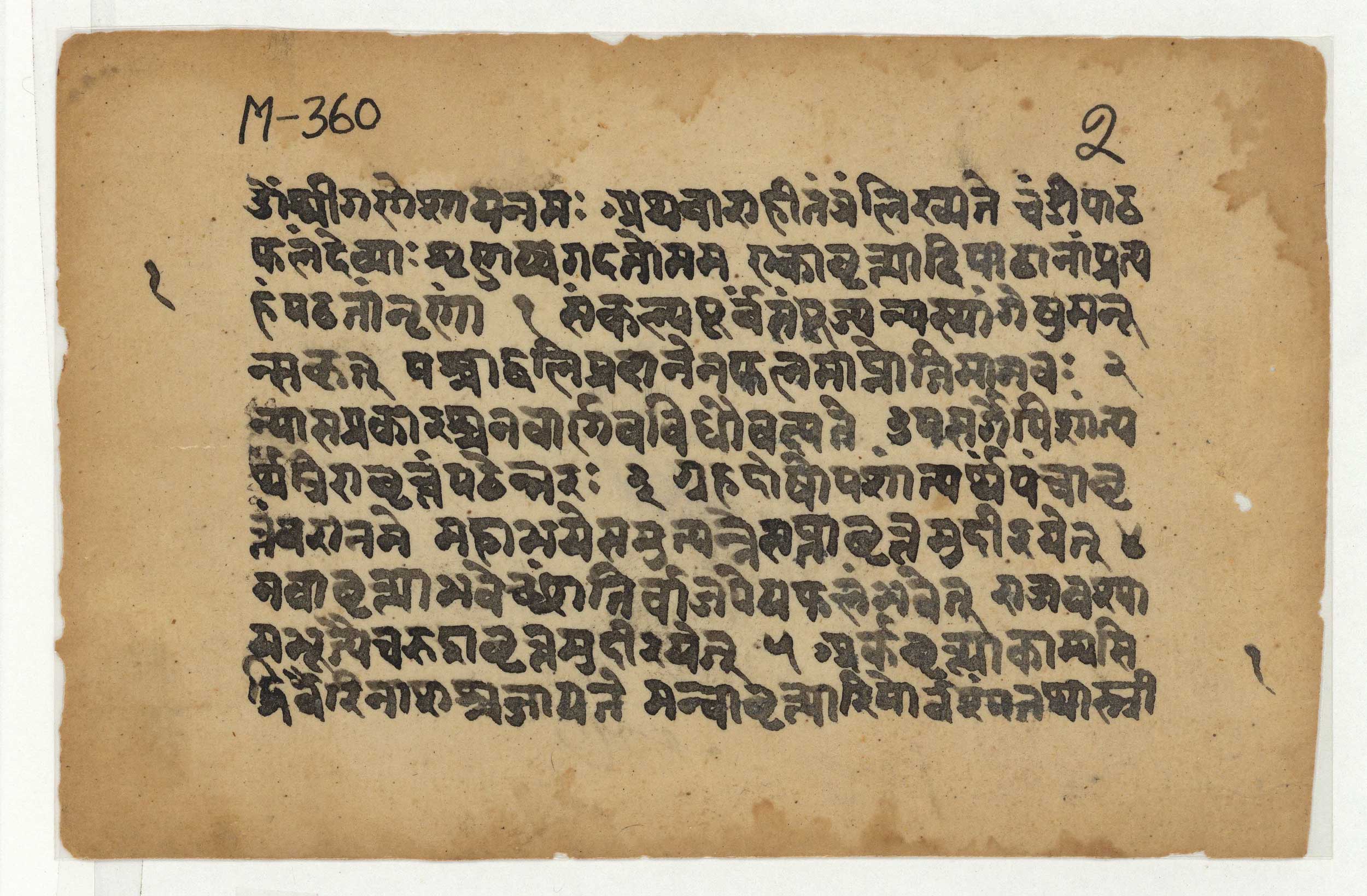
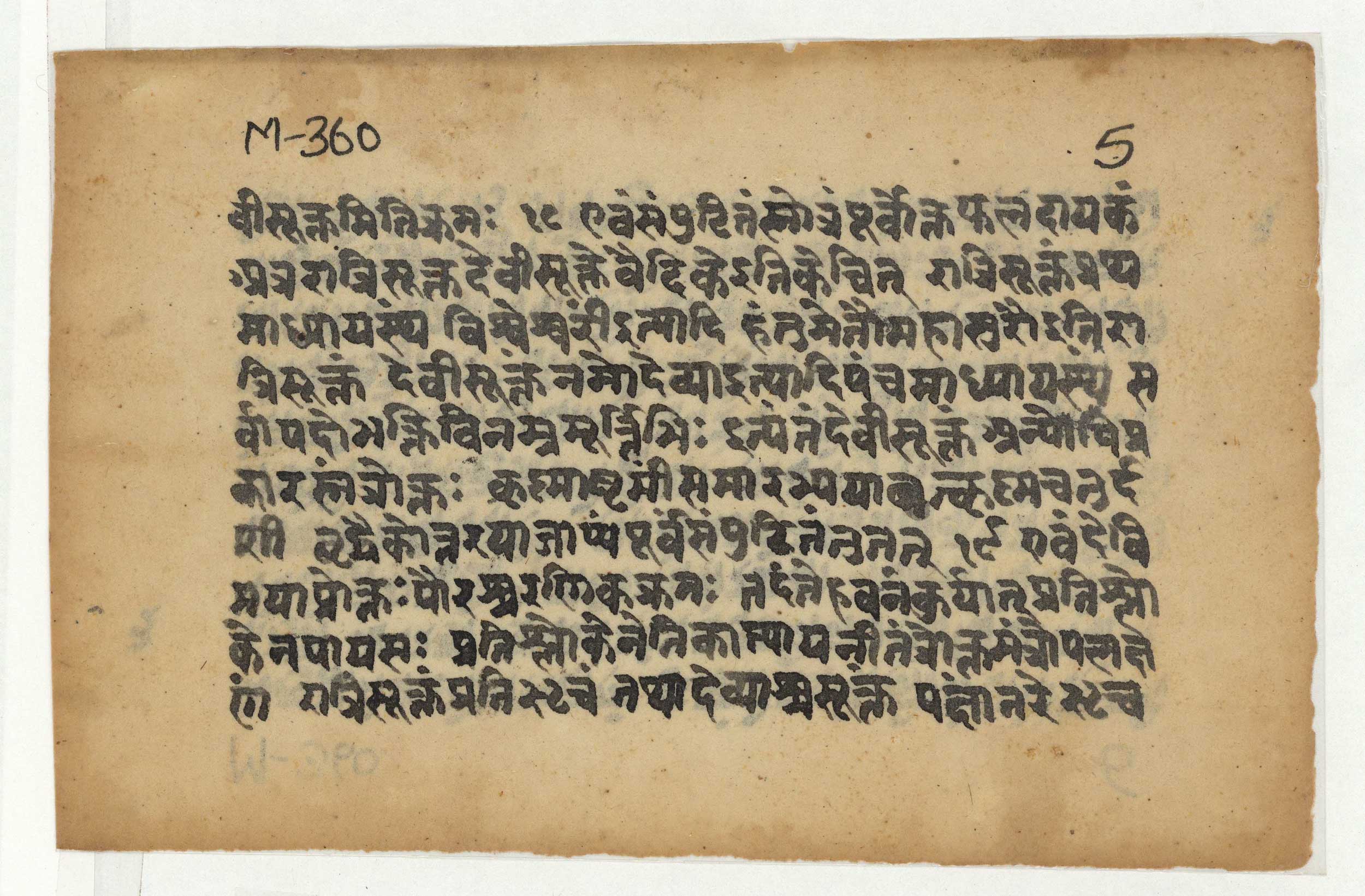
Om Śrī Gaṇeśāya Namaḥ // Henceforth, the Vārāhītantra is being written. Listen from me the result of the Caṇḍīpāṭha of Devī while I speak. It is pertaining to the effect of starting with one-time reading and so on in a day(1). After accomplishment of saṁkalpa he must worship and then perform the aṅganyāsa once. Thereafter, he should do the bali(sacrifice). Then only the person will get his(desired) result(2). The varieties of Nyāsa will be spoken at the time of Navārṇavavidhi. At the time of Upasarga in connection with peace process one must repeat it thrice but, O’ Varānane! In case of Grahadoṣa it must be repeated five times. However, in case of great fear, it must be repeated in seven times(3-4). With the Āvr̥tti of nine times a day there will be peace and it is considered as the equal to result of Vājapeya. The Āvr̥tti of eleven times will yield the result of controlling the king along the acquiring wealth and with twelve numbers, the desired result will be accomplished along with the loss of enemies. By repeating it for 14 times the enemies come under control & so also the women(5-6).
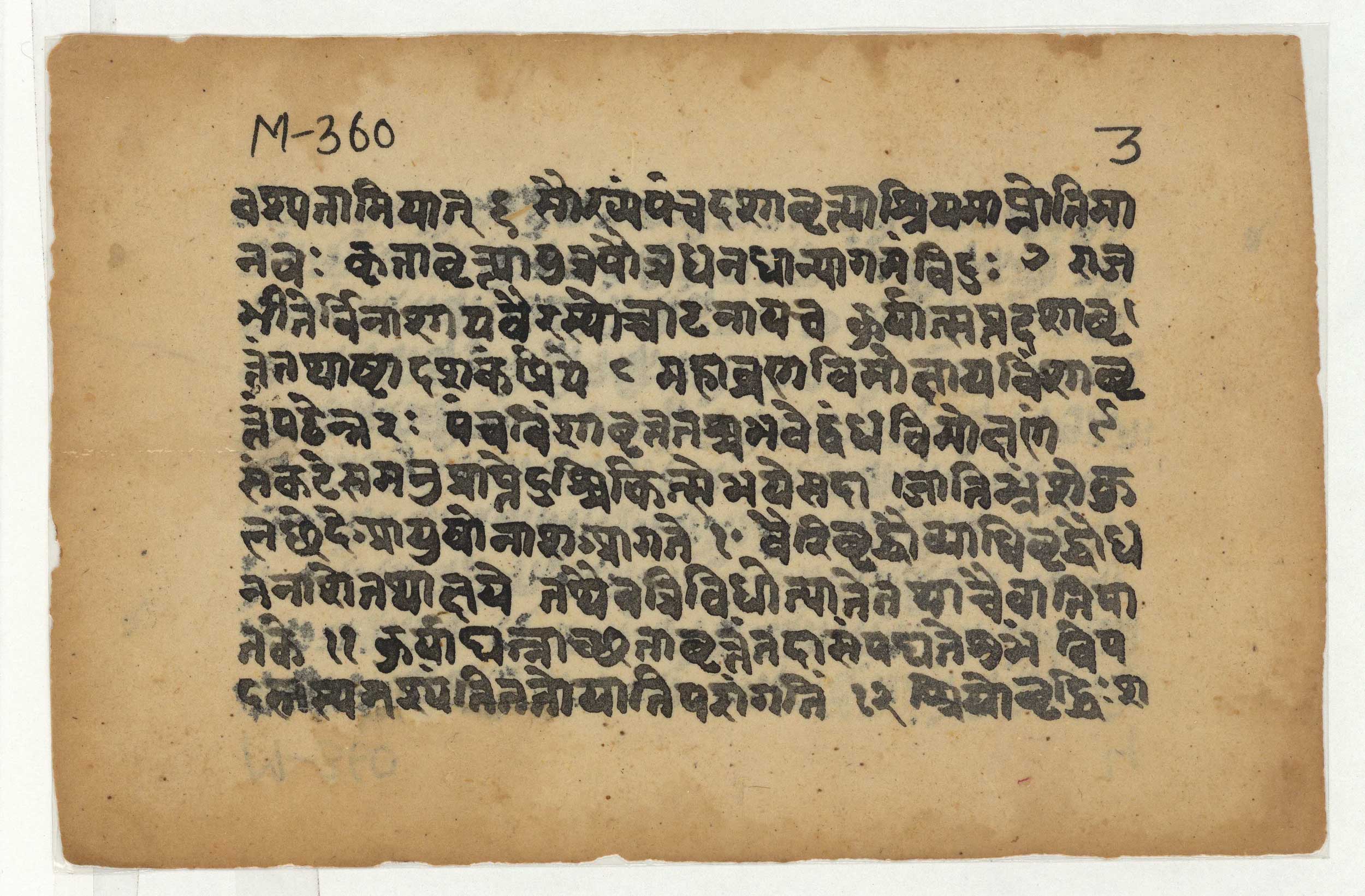
At the repeatition of fifteen times pleasure is accomplished & also the wealth. The one who just goes on repeating gets sons & grandsons along with a regular source of wealth(7). For the removal of fear from administration & displeasure due to upsetting of mind one must repeat it for seventeen & eighteen times respectively(8).To get rid of serious wound one must repeat it for twenty times and by twenty-five times one becomes free from the bondage(9). At the time of misfortune, in an unhealthy condition, in continuation of endless fear, at the fall from one’s of own caste, removal from one’s own family, at the time of falling of age, at the raise of enemies & deseases, at loss & diminishing stage of wealth, at the the time three kinds of utpātas & also during the time of committing serious kind of sin if a person repeats the mantra for one hundred times then the time becomes auspicious for him. The misfotunes will perish and he will also get the highest abode(10-12).
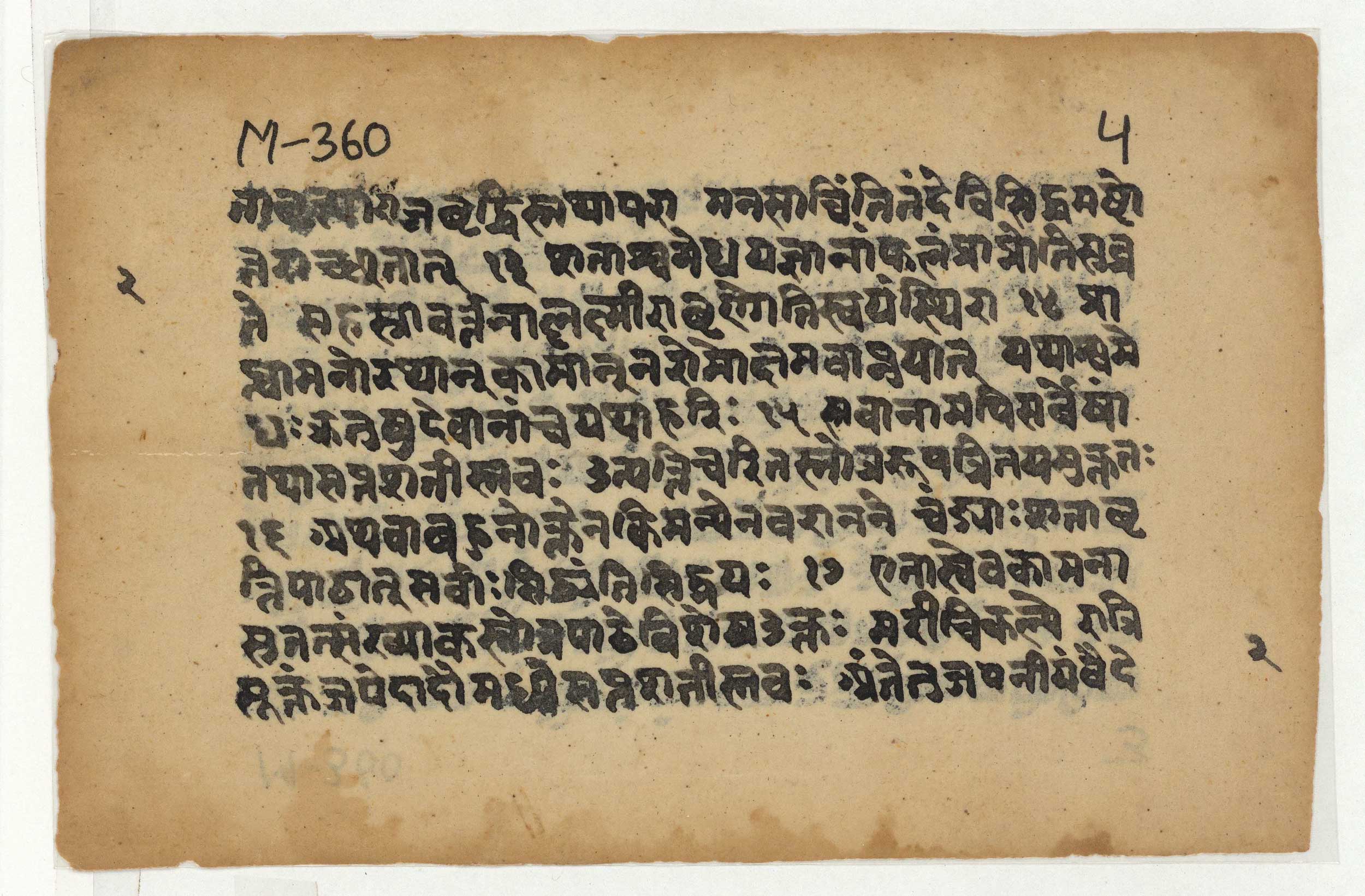
By repeating hundred times one develops his prosperity and obtains the high level life status too. However, with the repeatition of one hundred & eight he accomplishes the things as he wishes for(13). O’ Suvrate! One gets the merit of one hundred Aśvamedha sacrifices if he repeats it for one thousand times and in that stage Luxmi herself surrounds her from all along being a consistent one(14). By achieving these desired wishes a man reaches out to the liberation and that is like Aśvamedha among the sacrifices and Hari among the deities(15). This is like Saptaśanistava among the stotras that which comprises of origination, characteristics & hymns in three forms, Or else, why to say more about it. O’ the Beautiful One! One thing can be done and that is just by repeating Caṇḍīpāṭha for hundred times all the siddhis can be accomplished(17). Among these desires one must read as number as stotras as stated in a special case in Marīcikalpa. At first one must read the Rātrisūkta and in between the Saptaśatīstava and at the end the Devīsūkta is to be uttered. This is the method (according to which one must proceed)
This way the mantra that have been stated earlier consecreated are very much effective. Here some say that the Rātrisūkta & Devīsūkta are of Vedic origin. Rātrisūkta begins with “Viśveśvarī…..” in the 1st chapter & completes with “Hantumetau Mahāsurau”. Similarly, Devīsūkta starts with “ Namo Devyā…….” In the 5th Chapter & completes with “ Sarvāpado bhaktivinamramūrttibhiḥ” in the 5th Chapter. There is also some other way stated in Tantra i.e starting with Kr̥ṣṇāṣṭamī & up to Kr̥ṣṇa-Caturdaśī, a Jñānī with one garment must repeat the mantra consecreated as per it is advised before. Thus, O’ Devī ! It has been stated by me the method in Pauraścaraṇikakrama after the ending of which one must do oblation in the fire and for every verse he must offer pāyasa. Here ‘pratiśloka’ in Kātyāyanītantra is just as an upalakṣaṇa.Similarly, Pratis(ś)ṛcam, Rātrisūktam & Devīsūktam are the three upalakṣaṇa-s.
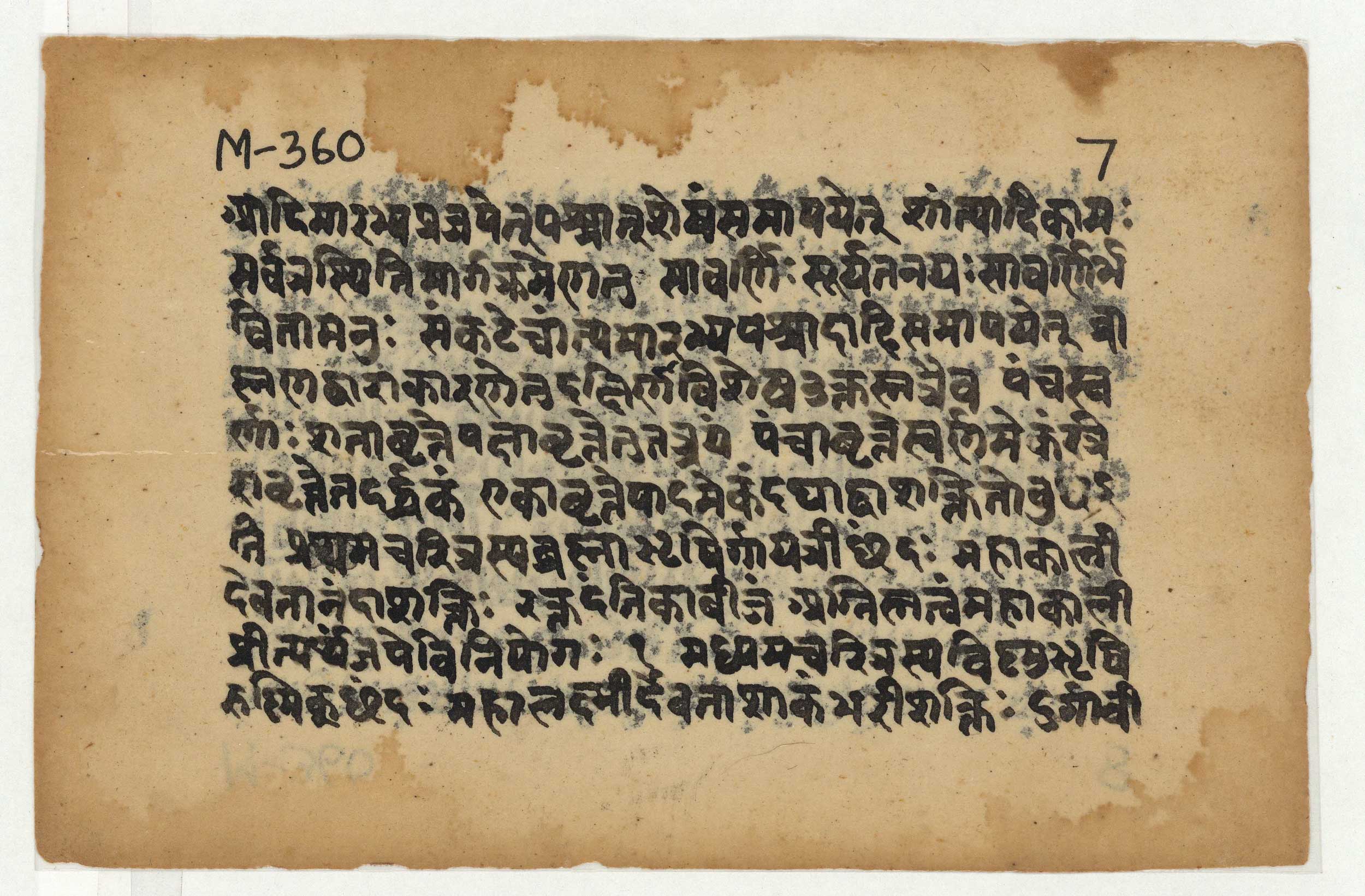
Alternatively, the word sṛca is the upalakṣaṇa for the three mantras. After the offerings, the mantra is to be repeated before the worship. Some other method of performance is : Now I shall speak on the rules & regulations of navarātra. One must do the japa for nine days by the increment of one more everyday. Devī must be worshipped with the experts as per the navākṣarīvidhāna. He must repeat the mantra for one thousand times with a focus on each one as per prescription. In between he must repeat the hymn of Devī. After the japa he must perform the offering of homa amounting the one tenth of japa. By completing such performance one accomplishes the siddhi. Some other way of performing this is : The one who performs this (with a determination) japa for one month and at the end performs a havana (offering) comprising of three things, i.e rice, meat & sweet(madhuram) or one performs one tenth of it with lotus along with milk then such a person will certainly get the sumptuous prosperity like that of Kubera. The one desirous of prosperity and health must perform the japa starting from “Śumbhādi…and up Śumbhadaityavadha according to the sṛṣṭimārga. This is what stated in the Haragaurītantra.
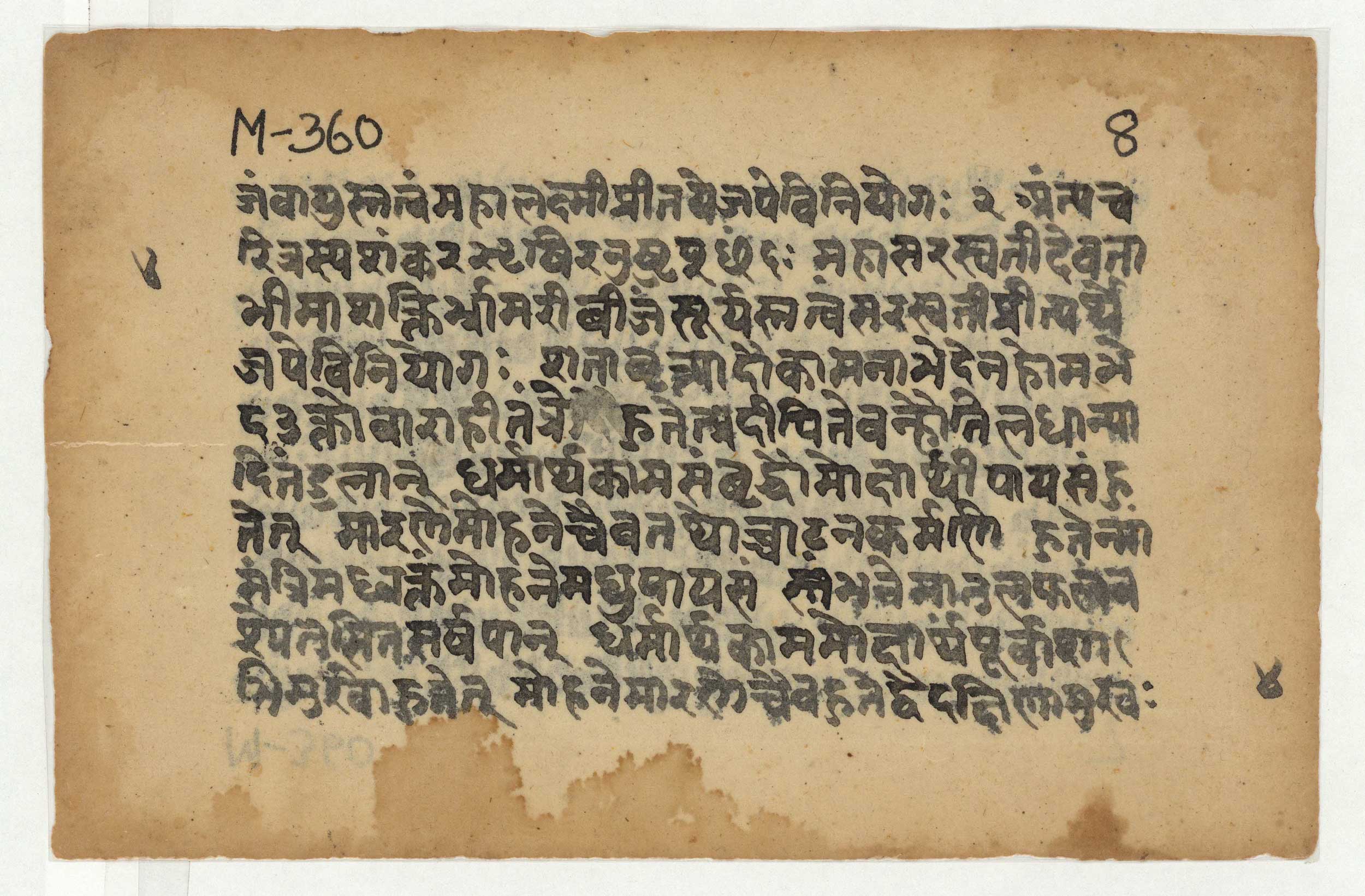
One should start with the beginning and thereafter must complete with the ending. The one who is the desirous of peace must follow this sthitimārga everywhere and proceed in sequence. For example: Sāvarṇiḥ sūryatanayaḥ sāvarṇirbhavitā manuḥ. However, at the time of adversity one must start from the end and then must complete with the beginning.If someone performs with the help of a brahmin then the fee for him is told in this manner: One must pay five gold coins for hundred repeatitions and for fifteen three such coins be offered. For the repeatitions of five one coin be offered and for three āvr̥ttis half of that be offered. Accordingly, for the āvr̥tti of one time one fourth quantity of a coin be offered or the offering must be according to one’s capacity as decided by the learned. This is all about the first chapter: (Iti prathamacaritrasya brahmāṛṣir gāyatrī chandaḥ mahākālī devatā nandāśaktiḥ raktadantikābījaṁ agnistatvaṁ mahākālī prityarthaṁ jape viniyogaḥ//1// Madhyama caritrasya viṣṇu ṛṣiruṣṇik chandaḥ mahālakṣmīr devata śākambharī śaktiḥ durgā vījaṁ vāyustatvaṁ mahālakṣmī prītaye jape viniyogaḥ//2//
Antyacaritasya ṛśiranuśṭup chhandaḥ mahāsarasvatī devata bhīmāśakti bhrāmarī bījam sūryastattvam sarasvatīprityarthe jape viniyogaḥ / In Vārāhītantra the different types of homas are prescribed due to the varying desires in the context of the repetition of one hundred times(śatāvr̥tti). The one who is interested to improve on Dharma, Artha & Kāma must offer tila, dhānya & taṇḍula but the one desirous of getting liberation (mokṣa) must offer pāyasa in the homa. One must offer meat immersed in trimadhu (ghṛta, śarkarā & madhu) in case of Māraṇa Mohana & Ucchāṭana-karmas & with madhu & pāyasa in case of Mohanakarma. Similarly, in Stambhanakarma, mātulaphala must be offered and in case Vaśyakarma the white mustards be offered. During the time of offering related to Dharma, Artha & Kāma one must face the direction of East & while performing the Ahutis related to Mohana & Māraṇakarma he must perform them facing the South.
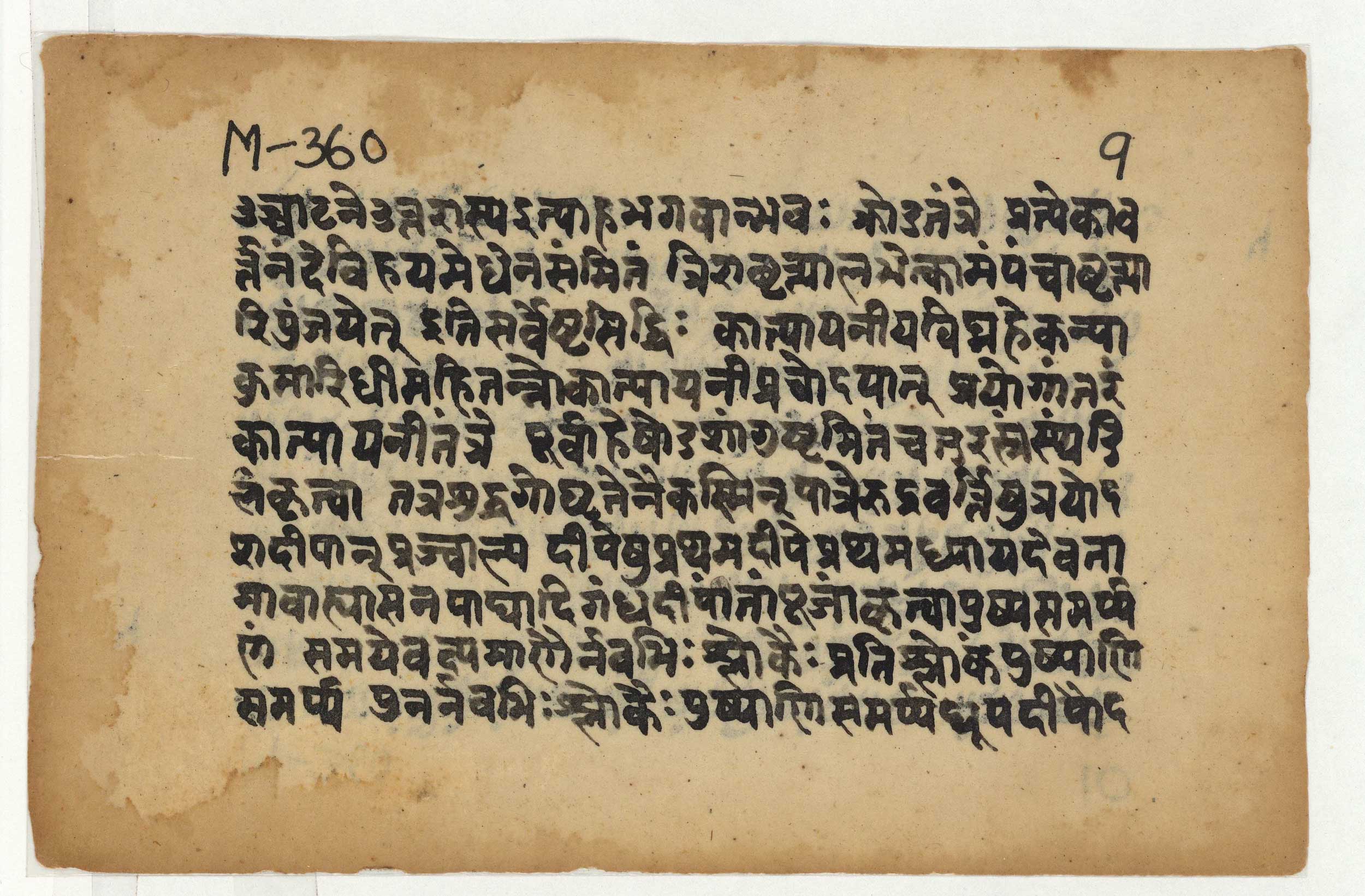
In case of Uccāṭana, one must face North.This is from the word of Lord Shiva. In Kroḍatantra the repetition of each one is like that of Hayamedha sacrifice. By repeating three times one gets his desired and with five times one wins over the enemy. Thus, about fulfilling all the desires. The other prayoga where “Kātyāyanīya vidmahe kanyākumāri dhīmahi tanno kātyāyanī pracodayāt” is mentioned with a measurement of kuśa grass of sixteen fingered one devided/cut into four in a pot of purified cow ghee where thirteen lamps are to be kindled centering around the Rudra lamp in the centre.Then having the deity of the first chapter invoked there one must worship with the offerings of āsana-pādya-gandha-dīpa etc., and then at the time of offering flowers he must offer flowers to the deity on the completion of each verse of the nine verses that have been told. On the completion of this round he must repeat all the nine verses once again together and the offer the flowers once again and thereafter offer the incence & lamp.Having done so he
must offer pāyasa along with betel & dakṣiṇā. Then he must do an Āratī and thereafter he must worship a wel-decorated brahmin or must do a saṁkalpa through him. Thus, accordingly, he must perform the invoking of the deity, feeding the brahmins etc. in case of the respective chapters. At the end, he must do a great pūjā extending up to the noon(from morning) and the completion is stretching up to the afternoon. The verses to be read are: viśveśvarīṁ jagaddhātrīm(1) Stutāsuraiḥ pūrvamabhīṣṭasaṁśrayā, karotu sā naḥ śu.. (2) Yā sāmprataṁ coddhatadaityatāpitaiḥ, Yā ca smṛtā tatkṣaṇameva hanti naḥ (3) Sarvābādhāpraśamanaṁ(4) Atra vairināśanamityatra roganāśanamityādyūhyam evaṁ daityatāpitairityatrāpi sarvamaṅgalamāṅgalye(5) Sṛṣṭisthitivināśānāṁ(6) Śaraṇāgatadīnārtaṁ(7)
Sarvasvarūpe sarveśe(8) These are the nine verses in the Anugraha but there is a speciality in case of Vaśya(karma). With the mantra of “ Oṁ Hrīṁ Raktacāmuṇḍe turuturu ‘amukaṁ’ vaśamānaya svāhā” the sādhaka must perform the worship starting from the beginning up to the end involving each chapter. At the end of the pūjā he must perform the japa amounting ten thousand. Equal no. of āhutis must be offered with the kaṭutaila(a kind of oil)that looks like Raktacandana. At the completion of one thousand only the king will come under the control. By offering it with honey or Aśoka flower during night one can become a cakravartī(monarch) as it before. The enchantment happens due to the impact of the influence of the mantra of caṇḍī. At the end one hundred brahmins and the maidens are to be feeded. For the sake of Dharma & Artha worshipping with bilvapatra, for enchanting karavīra or Japākusuma, Tulasīdala for the purpose of son, lotus for daughters are prescribed. In case of Mahāprayoga one must prepare an idol of gold measuring sixteen māṣas. A kalasa must be placed before it and then a lamp
is to be placed in front it or may be placed in the stand of it. Twenty-four brahmins from the public those who want to take part in this great work extending for forty-nine days, almost half or if number is less, then three must be engaged as the performer in this great work or, finally one must accomplish this: The mantra that is used here is: sarvābādhā-praśamanam and thereafter Evamuktā…samutpatyeti. Here in actual performance sometimes ‘Tarpaṇa’ may be found. Thirteen utensils/pots are to be kept there from beginning to end filled in with milk. Then having offered the puṣpāñjali, one must proceed for tarpaṇa in case of each śloka with the offering of tarpaṇa to the deity of the the first chapter with the utterance of “prathamādhyāyadevatāṁ tarpayāmi”. Then, in that thirteen fires he must invoke in sequence the respective deity there and worship them accordingly. While doing so, he must offer the oblations with pāyasa in case of each verse with the mantra “ Om Prathamādhyāyadevatāyai Namaḥ Svāhā”and this practice must continue as long as the prayoga does not become complete.
Thirteen brahmins & well-dressed maidens, one boy of eight years before sacred thread & one after sacred thread must be feeded. One must read the mantra/ śloka “parārtheprayoge satyāḥsantu yajamānasya kāmā in case of each chapter if it is meant for others.This way it must be inferred in all other places also. Here thirteen lamps in thirteen plates is the best method/option and thirteen lamps in one plate is the better one. The rule that is to be followed in case of lamps, akṣatapuñjas, homāgnis or maidens, is an advice. The other types of usages are prescribed in Kātyāyanītantra. Since beginning and up to the end in case of of each verse the mantra is to be repeated and then only there will be mantrasiddhi(fulfilment of mantra)(1). There must be three Anuloma-vyāhṛtis with praṇava and at the end the same with the Viloma one is to be followed. In this way with the repetition of hundred, there will be faster accomplishment(2). At the beginning of each verse the word ‘Jātavedas’ is to be added and read accordingly by the one who wants to fulfil all his desires(3).
To avoid untimely death, at the beginning and end, one must repeat the mantra ‘Triyambakam’(4). In case of each śloka there must be the utterance of mantrajapa here(5). In case of each śloka he must read the mantra : “Śaraṇāgatadīnārtta” for the sake of all sort/type of accomplishment(6). He, being the desirous of all the desires, must read the mantra : “Karotu sā naḥ śubha…”, the half of the mantra(7). The one who wants to get the desired boon must read the mantra: “Evaṁ devyā varaṁ lavdhvā…”(8).To get rid of all sort of misfortunes/dangers he must read the mantra: “ Durge smr̥tā…”(9). If he wants this mantra alone to be effective then he must perform its japa for ten thousand or one lakh times(10). In case of “Sarvābādhā…”, if it is repeated for one lakh times then only the result, as told here, can be achieved(11). In case of “Itham yadā yadā…” , the japa of one lakh times will passify the mahāmārī(12). By repeating the mantra“Tato vavre nr̥po rājyam…”for one lakh times, one can regain his own kingdom(13).
For Navagrahaśānti one must repeat the mantra: “Hinasti daityatejāṅsi…” along with the balī & offerings of lamp with it or one may perform ghaṇṭābandhana(near Devī)(14). After completing the reading of thirteen chapters in the sequence of Anuloma one must start reading the second chapter in Vilomakrama followed by Anuloma again. This cycle is to be repeated thrice as prescribed to get all the works accomplished quickly(15). To get rid of all sort of dangers, one must read the mantra “ Durge smr̥tā harasi…” followed by the mantra “Te yadantike yacha dūre…” and then the half mantra from“Dāridryaduḥkhadahane…”by repeating them for one lakh, ten thousand, one thousand or one hundred times depending upon the necessity/demand of the work (16). If he reads the mantra “Kāṅ so’smiti… along the every śloka then there is the attainment of properity (Lakṣīmiprāpti) (17). If one goes for māraṇa then he must repeat the mantra “ Evamuktā samutpatyā…” (with each śloka) followed by the actions/behaviour that are congenial/necessary to it then he attains the result(18).
This is a self-realized matter that with the utterance of the śloka “Jñānināmapi cetāṁsi” there will be a quick effect of ‘mohana’ and uttering that after each śloka will bring ‘Vaśya’effect(19). The utterance of the śloka “Rogānaśeṣān…” after each śloka wiil make all the deseases perished(20). Reading that only also bring that result. There will be the obtainment/attainment of learning (vidyāprāpti) if the one who reads/repeats the śloka “Ityuktā sā bhagavatī gambhīrā…”every after each śloka or separately(22). Starting from “Bhagavatyā kṛtaṁ sarvaṁ…”, and so on consisting of one hundred & twelve letters will provide all the desired fulfilled and also will protect from all the misfortunes(23). One may also go for a japa of “ Devī prapannārttihare prasīda…”for one lakh, ten thousand, one thousand of one hundred depending upon the gravity of the work to get rid of all the misfortunes and also to obtain all the desires(24). In this whole procedure of japa schedule, one may offer lamp in case of each śloka or simply put namaskara (in each) for the sake of the quick accomplishment(25).
Each śloka wrapped up with kāmabīja, if uttered for 41 days with three times a day then there will be the accomplishment of all the desires(26). This procedure if continued for 20 days by repeating it for 10 times a day then ther will be vaśīkaraṇa(27). Same produre with the wrapping of māyābīja with ‘phaṭ’ pallava(petal) if continued for 7 days with the repetition of thirteen time daily then will be uccāṭanasiddhi(28). The same thing if continued for four days with the repetition of eleven times on daily basis then there will be the passification of all sort of disturbances(29). Every śloka wrapped up with śrībīja continued for 49 days with the repetition of 15 times daily will bring Lakṣmīprāpti(30). Every śloka wrapped up with ‘Aiṁ’, if repeated for hundred time then there will be obtainment of vidyā(31). Every śloka in the first carita(chapter), to be repeated with the wraping up of ‘Hrauṁ Namaḥ’ and then
at the beginning and at the end of every śloka to be read in the up side down sequence. Similarly, in the middle(madyama) chapter too the ślokas are to be wrapped up with the mantra ‘Oṁ Hrīṁ Namaḥ’ & accordingly each śloka in the last carita is to be read with the wrapping up with Oṁ Klīṁ Namaḥ’. This (practice/exercise done in these three chapters) will bring a quick accomplishment in the work. In case of the first chapter the ṣaḍaṅganyāsa is to be performed with the ‘Hrauṁ’ bīja. Dhyāna is to be performed with the six verses stated very secretly starting with ‘Triguṇā Tāmasī …& so on. Mārkaṇḍeya is the R̥ṣi there, Metre is Anuṣṭup, deity is Mahākālī, Nandā is the śakti, ‘Hrauṁ’ is the bīja, Agni is the Tattva. Similarly, in case of the middle chapter(madhyamacarita) Sumedhas is the Ṛṣi, Metre is the Anuṣṭup, Mahālakṣmī is the deity, Śākambharī is the śakti there, Hrīṁ is the bīja & Vāyu is the Tattva.
To accomplish the desired aim one must perform ṣaḍaṅganyāsa with ‘Hrīṁ’ bīja. With the seven verses starting with ‘ Sarvadevaśarīrebhya…’ the dhyāna has been induced secretly. Shiva is the R̥ṣi for the uttaracarita. Anuṣṭup is the metre. (Jagatī Chhandasī ?). Mahāsarasvatī is the devata. Bhīmā is the śakti. ‘Klīṁ’ is the bīja. Sūrya is the tattva. Desired result is achieved with the ṣaḍaṅganyāsa of ‘Klīṁ’. The dhyāna is induced secretly through ‘‘Gaurīdehasamudbhavā…’’and so on. The ‘Aiṁ’ bīja is in the first chapter but elsewhere it is in the sequence of ‘Hrīṁ’ then ‘Śrīṁ’ & finally ‘Klīṁ’. This way the worship of different deities is to be performed and elsewhere there is a provision of ‘Aiṁ’ by others in other places. Thus, the differences of dhyāna is induced in all places depending upon the difference of desires. In case of Vaśya it is more blood, in case of Pauṣṭika it is variegated/spotted and smoke in case of Uccāṭana.
In case of Māraṇa it is black. In case of a progeny it is: nīlotpaladalaśyāmam(5) Having all desires is for red shape(6). In case of war it is, meditation with a fire of a kalpa. In case of the fear from water the mediation in relation to a buffalo. In fear of rain, a meditation of full moon showering nectar. The one who has a capacity of reading the complete one in the way of Pā 1, Ṭho 2, yaṁ 1, Vi 4, Pha 2, Kā 1, Raḥ 2 with seven days being ekāvr̥tti, one chapter per day with three repetitions, gems. The source of all these are there in the Kātyāyanītantra, (so that is) to be seen there. In case of other tantras, the mantra to be followed there is Saptaśatīmālāmantra; Nārāyaṇa is the R̥ṣi, Gāyatrī is the metre, the image is of Śumbhamardinī & Dakśiṇāmūrtti is the devatā.
‘Klīṁ’ is the bīja. So’haṁ is the śakti durgāprītyarthe viniyogaḥ. Oṁ yanmohojñāninorapi aṅguṣṭhābhyāṁ namaḥ. Niśaṁbhabhagavatīṁ viṣṇostarjanībhyāṁ svāhā. Oṁ japeti devāśca mudā madhyamābhyāṁ vaṣaṭ. Oṁ ājaghānabhujesavye anāmikābhyāṁ huṁ. Oṁ hatetasminmahābīrye kaniṣṭhikābhyāṁ vauṣaṭ. In the entire Saptaśatī-stotras, “Oṁ nītādivaṁ ripugaṇā bhayamapyapāsta karatalakarapṛṣṭābhyāṁ namaḥ phaṭ” has been stated. Here mārkaṇḍeya, brahma, viṣṇu, śivātmā & sumedhā are the r̥ṣis. Jagatī & Anuṣṭup are the metres. Nandā, śākambharī & bhīmā are the śaktis in the form of Caṇḍikā, mahākālī, mahālakṣmī & mahāsarasvatī.
The bījas are: Raktadantikā, Durgā & Bhrāmarī. The tattvas which are agnivācakī are induced for the sake of getting the desired. Thus, in the name of Brahmottarakhaṇḍa it is written somewhere in the Damaratantra with regard to the numbering of the stotras- Adhunā devi vakṣyāmi mālāmantraṁ navārṇavam/ yasya smaraṇamātreṇa bhuktiṁ muktiṁ labhennaraḥ//1// (O’ Devi! henceforth, I will speak up of the mālāmantra which is of nine letters, remembering which a man can get both the pleasure (of present) & liberation (at the end)(1). Lord Brahmā spoke fourteen verses at a stretch. At the name/time of Samādhi he spoke eight in two times with a great thought. Accordingly, Muni Mārkaṇḍeya spoke thirty-nine in all in five times. The learned ones spoke ‘Bhagavān’ three times; devatās made the stuti amounting thirty-four & half and again fifty-nine & half in twelve times.
O’ beloved! The seers have stated it from twenty-seven to forty-thousand. However, Datta has stated it as eight & half. O’ my beloved! Ten verses are stated here.The word ‘Rājovāca’of four is thirteen in all. This way the Saptaśatī is of seventy-eight. Pañcadeveśi is of Hundred. The offering for them will be seven hundred. At the end of ‘Bhrāntirūpa’, three offerings are with ‘Viṣṇumāyā’mantra. Out of the offerings that are to be offered with the mantra ‘Citirūpeṇa’, the three offerings are to be given in “ Priye iti”, if that is not possible then it is to be conducted with the mantra called” Jayantī…”and pūjā is to be performed separately.This is in short. In this pāṭha, no navārṇasaṁputīkaraṇa is required as it has been prescribed in Dāmaratantra.At the beginning that is to be picked up.
The two prayers of Devī are given below: Aiṁ bījamādindusamā nadī kliṁ hrīṁ sūryatejodyutimadvitīyaṁ klīṁ mūrtavaiśvānara tulyarūpāṁ tṛtīyamānantyasukhāya cintyaṁ//1// Cāśradvrajāṁ yūnadakānti-turyaṁ mupañcamaṁ raktataraṁ prakalpam/ ḍāghaṣṭamr̥gārttiharaṁ sulīlaṁ yai saptamaṁ kaṣṭaharaṁ ripughnam// vipāṇḍuraṁ tvaṣṭamamādisiddhaṁ cedhūmravarṇaṁ navamaṁ viśālam//2//
“Aiṁ Hrīṁ Klīṁ Cāmuṇḍāyai Vicce” is the nine lettered (navākṣara) mantra. By uttering it in the water covering up to the naval part (of the person)generates a power of poetic genius and by doing so for 10 thousand times one can be free from the political & other such difficulties. (Goddess) Mahālakṣmī resides in this mantra.Therefore, if that is established then it enlights all the directions. Here there is no much Siddha and other such related discussions as it has been stated by the R̥ṣis of the Navākṣaramantra, brahma, viṣṇu & maheśvara. Gāyatrī, Uṣṇik & Anuṣṭup are the metres for this as it has been stated by that the sages. The Devīs are: Mahākālī, Mahālakṣṃī & Mahāsarasvatī. Nandā, śākaṁbharī & bhīmāḥ are the śaktis stated as its mind. Raktadantikā, durgā and bhrāmarī are vījasaṁcaya for this. Agni, vāyu & bhagas are the tatvas for this.The net result is whatever is from the three Vedas.
The viniyoga has been stated for the sake of fulfilment of all the desires/aims. One must put r̥ṣi, devata & chhandas in place of head, mouth & heart respectively. Śakti must be kept in place of breasts and tattvas must be in heart. For mantras pallavas are the place of residence and praṇava is the head for them. When head is enjoined with the pallavas then it becomes wish-fulfilling. Pallavas are prescribed being utilized with the ending of ‘namaḥ’ in case of śānti, puṣṭi and praṇipāta. If they are used with ‘Svāhā’at the end in the context of vaśa, ākarṣaṇa & homa then it gives accomplishment. When ‘Vauṣaṭ’ is enjoined with pallava then it fulfils nourishment etc. Pallava being used with ‘Huṁ’ is found in the context of the works like ‘to driven’ something without being an employment of a brahmin. If found being used in the context of yantra or ‘to break’ then it quickly removes enmies.If pallava is used with ‘Vaṣaṭ’ then it removes grahabādhā.
In case of uccāṭana, ‘Phaṭ’ is used with pallava. These pallavas are also to be attached in the caṇḍīpāṭha in the context of those concerned & respective performances at the beginning and end of the ślokas. A person performing nyāsa should not be a dumb. Without the head(praṇava) the mantra is considered as dead. Without the pallava the mantra is nacked and without the seat it is to be considered as slept. A mantra is believed as futile without a guru and listening or uttering of it is of zero result. When it is given to a rascal the mantra looses its potency. (so’nya bījastu kīlitaḥ ?). Duṣṭadattaḥ means whatever has been given to a rascal. The one who does not follow the devatā, chhanda & r̥ṣi is called a bhujaṅgama. Those dumbs and others, are really are not allowed to read mantras. The ṣaḍaṅgakaranyāsa is to be performed with the mantra “Hrīṁ Caṇḍikāyai ”. With all the mantras having navabījas, ṣaḍaṅgas, are: hṛdayāya namaḥ / śirase svāhā / śikhāyai vauṣaṭ /
kavacāya huṁ / Netrābhyāṁ vauṣaṭ and astrāya phaṭ iti. This is the sequence. Astram is to be understood in the sense of all the directions. Tarpaṇa is to be performed at the end of the navabījamantra with the mantra ‘Caṇḍikā Tr̥pyatām’. Thus, the homa etc., are to be inferred. One must write an Aṣṭadalapadma with scandal, Aguru & Kuṁkuma. Inside the lotus he must write Ṣaṭkoṇacakra with full of the art/picture of Caṇḍikā. In the centre of the cakra, first three bījas are to be written.In the middle bīja, Mahālakṣmī to be placed; at the right side of her Mahākālī and Sarasvatī at the left. Accordingly, in all six corners starting with east, all other bījas are to be placed. Being on padmāsana, Nyāsa is to be performed to this Pūjāyantra with the Saptaṣatī verses. Having read the five verses/mantras starting with ‘Khaḍginī śūlinī ghorā…’ etc., the first blackish bīja is to be meditated upon and then nyāsa is to be performed in all the parts.
At the beginning one must read the four verses starting with Śūlena pāhino…’ and prefixed with Aiṁ. Then as in case of earlier, he must do a nyāsa with the second one. Secondly, the five verses starting with ‘Sarvasvarūpa…’ must be read prefixed with ‘Hrīṁ’. Having read this, he must perform a nyāsa in his whole body with the third one which appears like a crystal one. It is stated at some places that a ṣaḍaṅganyāsa is to be performed with the aforesaid verses twice prefixed with ‘Krīṁ’ and then ṣaḍaṅga is to be done with the original letters. A learned one must perform the six aṅgas with all these four mantras independently with each one alongwith these pair of mantras.Then at some places having performed with these nyāsavidhi the sṛṣṭimudrā is to be shown.Then parisiñcana is to be made for the sake of worshipping and from the navabījas the jalapṛṣṭodbhavāmudrā is to be shown following with an avaguṇṭhana by women.Thereafter, Arghyapātra is to be filled in with the
sacred water. Then fragrant insense, flower, akṣata are to be put in it. Thereafter, the worshipper must meditate upon all the tīrthas there and then putting his hands on it, he must make the consecreation. For the sake of oneself one must do the cakramudrā being unconnected purification process is to be performed for the pūjādravyas with the arghas(worshippable items like water etc.) as it was in case of earlier. Then follows the meditation for the three devatās, following Mahākālī. (That follows): khaḍgaṁ cakragadeṣucāpaparighān śūlaṁ bhuśuṇḍīṁ śiraḥ śaṅkhaṁ saṁdadhatīṁ karaistrinayanāṁ sarvāṅgabhūṣābṛtām/ yāmastautsvapite harau kamalajo hantuṁ madhuṁ kaiṭabhaṁ nīlāśmadyutimāsyapādadaśakāṁ seve mahākālikām//1// Akṣasrak paraśūgadeṣu kuliśaṁ padmaṁ dhanuḥkuṇḍikāṁ daṇḍaṁ śaktimasiṁca carma jalajaṁ ghaṇṭāṁ surābhājanam/
Śūlaṁ pāśa sudarśane ca dadhatīṁ hastaiḥ pravālaprabhāṁ seve sairibhamardinī- miha mahālakṣmīṁ sarojasthitām//2// Gaṇṭāśūlahalāni śamkhamuśale cakraṁ dhanuḥ sāyakaṁ hastābjairdadhatīṁ ghanāntavilasacchītāṅśutulyaprabhām/ gaurīdehasamudbhavāṁ trijagatāmādhārabhūtāṁ mahīṁ pūrvāmantra sarasvatī manubhaje śuṁbhādi daityārdinīm//3// Thereafter in this tantra, there is a prescription of pañcopacārapūjā; and having performed it the performer must repeat the mantra for four lakh times. Following the same, Āhutīs amounting one tenth of that must be offered with pāyasa.Then the worship must be performed with hemaretas(gold dust?). This is the puraścaraṇa according to the Mārkaṇḍeyapurāṇa. One must read the caṇḍīstava by completing it with the mūlamantra and having performed so one gets the desired result.
This Navārṇava mantra is to be uttered in hundred at the beginning and hundred at the end. This saṁpuṭa is prescribed in between the Saptaśatīcaṇḍī. According to some, those who are desirous of getting something must utter saṁpuṭa and desireless worshippers must go without saṁpuṭa. This is all about the navarātraprayogavidhi in Vārāhītantra. Samvat 1914. This is transcribed(copied) for the sake of oneself (for personal use)by the paṇḍit, namely, (Śrī) Ganapati. Let the auspiciousness prevail. Let Devī Durgā be satisfied.